blossoming flowers
stripped of color and fragrance
still express beauty


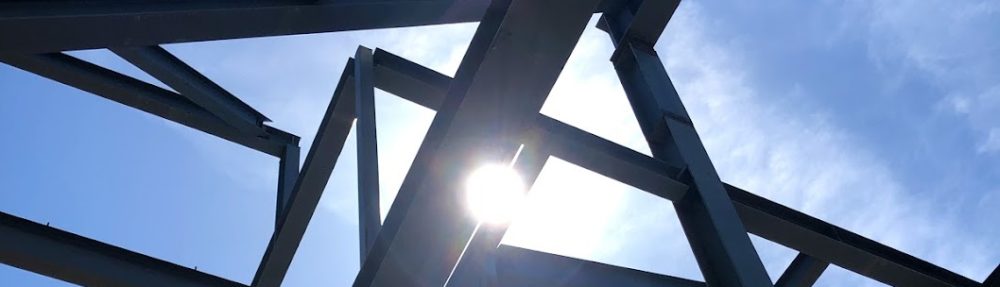
blossoming flowers stripped of color and fragrance still express beauty

mere words on the wind
don’t let “bad hair day” comments
ruffle your feathers
stream of consciousness
runs low in season of drought
parched mind prays for rain

I wrote this poem a couple of summers ago, about a weekend trip to the Ochoco forest in central Oregon. A beautiful, unforgettable experience with wonderful people and stunning scenery.
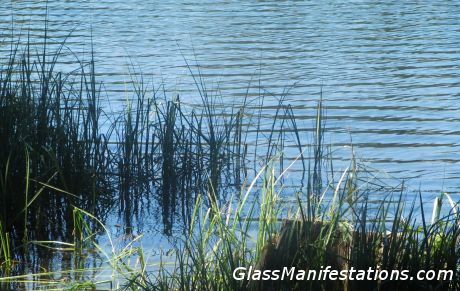 On Friday we set out in search of wild horses.
leaving the city with all its frenzy,
eager to begin our wilderness adventure.
We crossed sparkling rivers and overgrown creeks,
and saw wild rhododendrons
sprawling in the shade along the wooded roadside.
We found a stream bank that would make a great watering spot,
but alas, we saw no wild horses.

On Saturday we set out in search of wild horses.
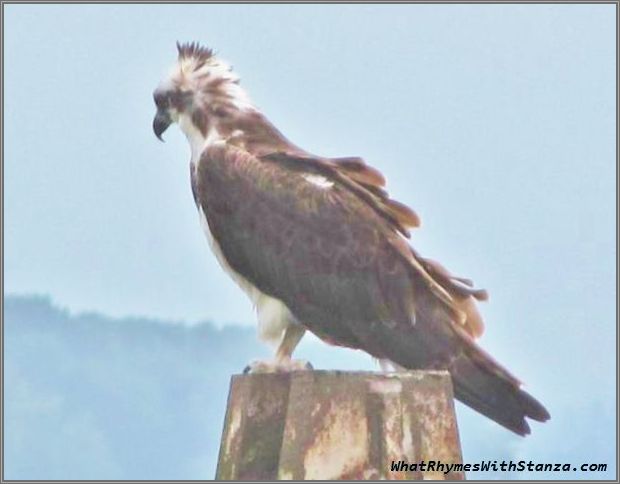
We watched ospreys diving for lake trout.
We hiked steep mountain trails,
pausing to admire the grandeur of snow-capped peaks
and the delicateness of wildflowers
swaying in the gentle breezes.
We saw hoof prints in the soft forest floor,
but alas, we saw no wild horses.
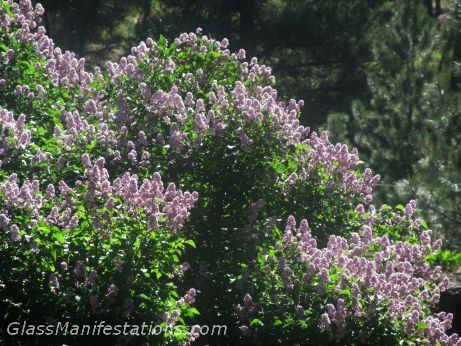
On Sunday we set out in search of wild horses.
We enjoyed the scent of pine trees and lilacs,
watched lizards scurrying down rough-barked junipers,
and climbed hills to discover what lies beyond.
We marveled at piles of sun-hardened manure
scattered amongst the trees by our elusive prey.
We saw grass trails bent down where they may have passed by,
but alas, we saw no wild horses.

On Monday we set out for home.
En route we passed the Painted Hills that
undulate in shades of rose and verdigris and taupe and ochre.
We saw weathered barns sagging wearily in the fields,
antelope grazing in a verdant pasture,
and watched a man feed ice cream to his dogs.
We basked in our weekend revitalization.
And, by the way, we saw wild horses.
nature’s Midas touch
renews each dawn rendering
night’s shadows to gold
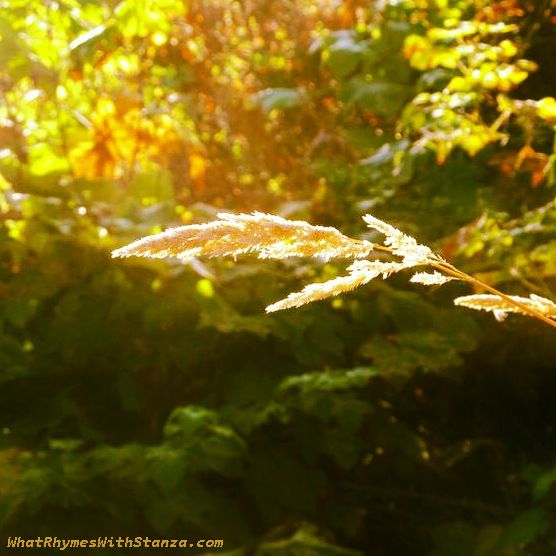
Weekly Photo Challenge: Half and Half

currant events bear
plentiful low hanging fruit
ripe for the picking

(Extra points if you noticed the stink bug in the photo 😉 )
“As a child, I always knew it was springtime when I opened my bedroom window and caught the subtle, heartwarming aroma of the season’s first blossoms wafting across the swamplands of home. Yep, if the skunk cabbage was blooming, summer was just around the corner.”
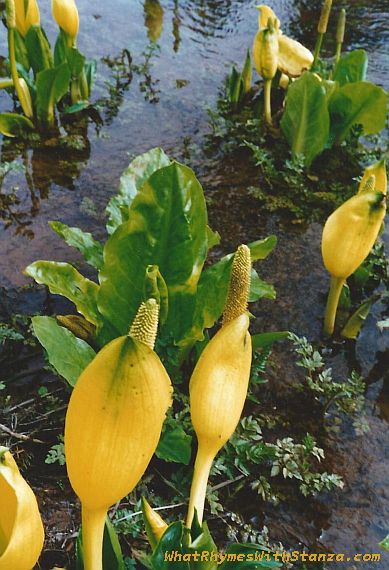
If you were to ask me my favorite flower, I might tell you it is the Lysichiton americanus. But that would be far too pretentious. You know that whole “a rose by any other name would smell as sweet” line? A Lysichiton americanus, by its other name, smells like… well, like its namesake.
“Skunk cabbage” didn’t get its name from any black-and-white striped color scheme. It’s named for its distinctive “skunky” odor. So am I joking that it’s my favorite flower? Nope.
Growing up in a “wetland” area (formerly known as a swamp), the smell of skunk cabbage was indeed a harbinger of spring, which meant warmer weather and maybe just a tad less rain. Or maybe it meant warmer rain and a tad less weather. I forget.
But the symbolism of the skunk cabbage doesn’t just stop at being a seasonal reminder. Despite its stinky name, the plant is quite beautiful. Large, lush green leaves, bright yellow flowers. It livens even the fustiest of swamplands. And it does so by rising regally out of its surrounding mud and mire.
Somehow I find that inspiring. More so than a hothouse rose or a pampered orchid. It is raw no-fuss nature at its best. Simple beauty despite its odoriferous moniker. To me it symbolizes dignity, poise – maybe even grace – while amidst the muck of worldly living.
So, come Mother’s Day or my birthday or any other day one might be compelled to send me a bouquet of flowers, let it be roses. Come on, you didn’t expect me to say skunk cabbage, did you? Symbolism only goes so far.


Weekly Photo Challenge: Symbol
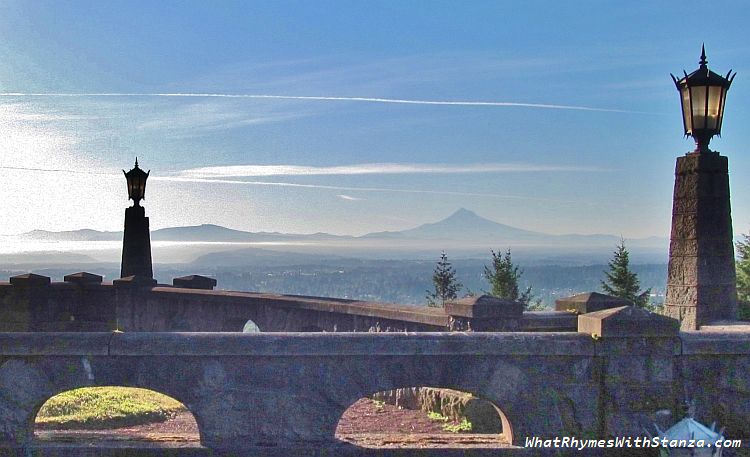
Two arced openings in a stone parapet.
Two lanterns on two rock pillars.
Two white contrails crossing the sky.
Two peaks in a distant mountain range.
The two of us taking in this view that is
too beautiful not to be shared by two.
Photo 101 Assignment 19: Double
 What Rhymes with Stanza?