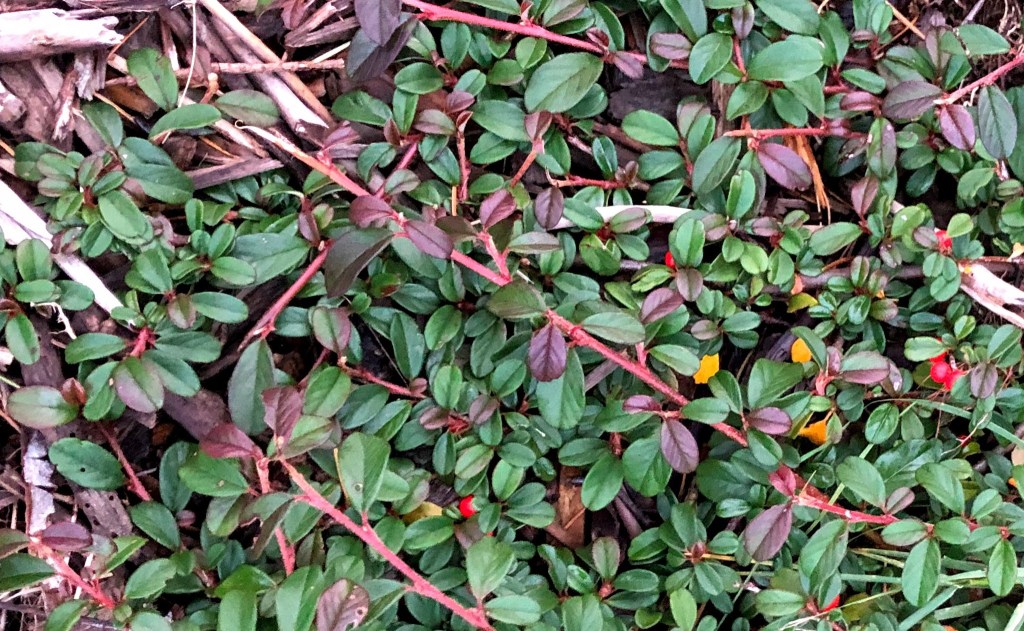
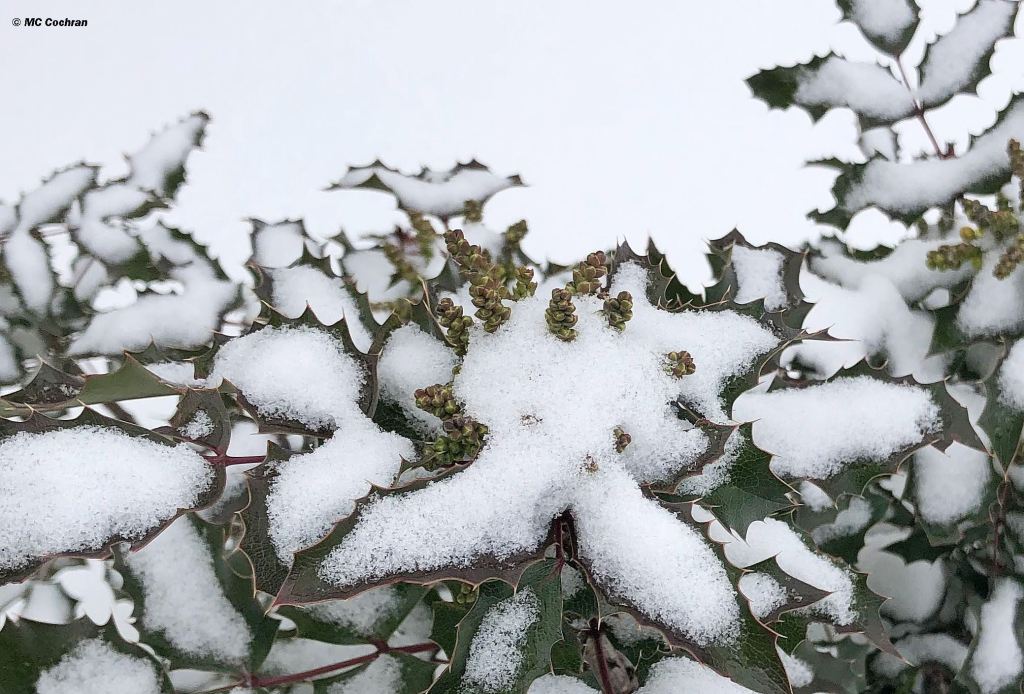
As my native habitat garden takes shape, I’ve been drawn to it almost daily. In the wet fall I checked for problematic standing water at the base of the young crabapple tree and marveled at the resilience of rain-battered kinnikinnick. In winter I fretted over snow-covered Oregon grape and ice-encased flowering currant.
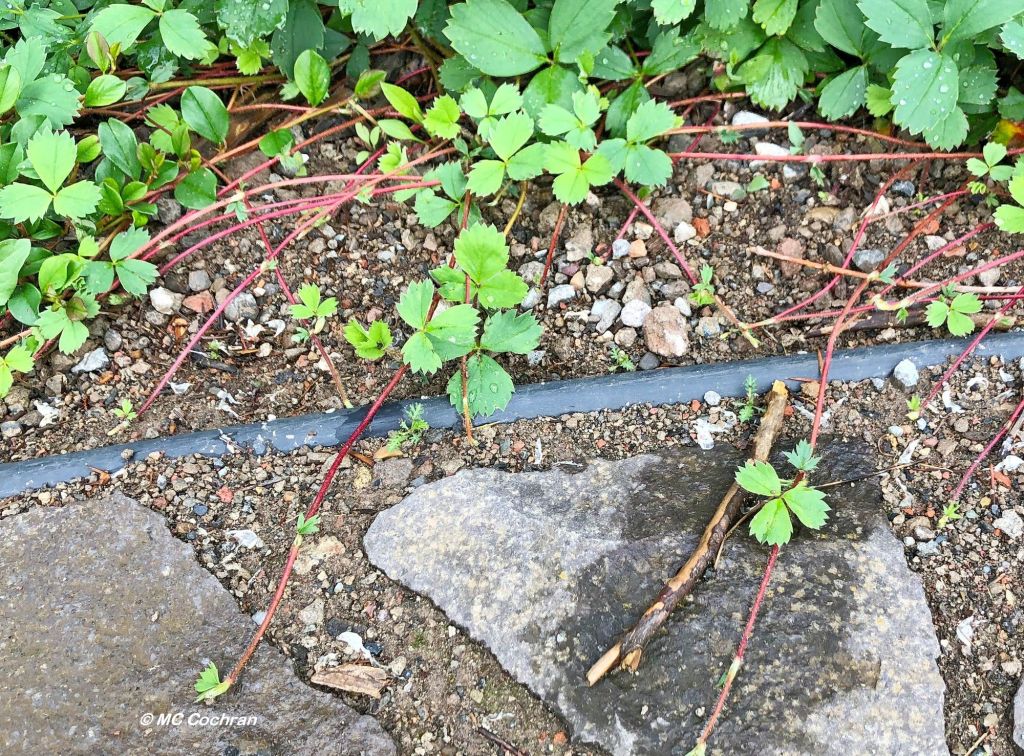
As spring unfolded, I searched bare twigs for the slightest hint of green, watched tiny sprigs rise from the ground and swell into verdant foliage; and now – finally – flowers are maturing, bugs are pollinating and wild strawberries are sending out runners to claim yet more ground.
I always considered autumn to be my favorite season with its crisp rain-filtered air, crunchy carpets of fallen leaves and trees dressed in flame-inspired palettes. Now, I believe my favorite season is whichever currently holds sway over my everchanging garden.
[to the Tune of the Tennessee
Waltz (two-three) (one-two and-a)]When I was Seventeen
High school band Agony
Playing the French horn, you
See (two-three), (one-two) while the
Rest of the Instruments
Soared with the Melody
I got the Slow after-
Beats (two-three) (one-two).
Chorus:I re-
Member the Days in the
Stuffy band Room as the
Teacher's baTon counted
Three (two-three) (one-two) I would
Wait for that Moment when my
French horn would Shine as I
Sweetly played Two after-
Beats (two-three) (one-two) instru-Mental interLude here. Find your
Horn, play aLong dear, and
Soon you will See what I
Mean (two-three) (one-two). If you're
Lost in the Melody
Listen for Me and I’ll
Carry you Through to the
End (two-three) (one-two).
Oh the
Waltz would start Playing with the
Saxophones Braying, the
Oboe would Try to com-
Pete (two-three) (one-two). Clari-
Netists’ reeds Squeaked as the
Flautist's breath Peaked, and the
Trombones’ spit Rattled and
Leaked (two-three) (one-two).
Chorus:I re-
Member the Days in the
Stuffy band Room as the
Teacher's baTon counted
Three (two-three) (one-two) I wouldWait for that Moment when my
French horn would Shine as I
Sweetly played Two after-
Beats (two-three) (one).
A palinode or palinody is an ode or song that retracts or recants a view or sentiment to what the poet wrote in a previous poem...

The writing challenge is to write a palinode. This can be in relation to a poem you have written before (please link or include prior poem)...
My prior poem, which I posted on April 13 of this year is Spring Reveal:
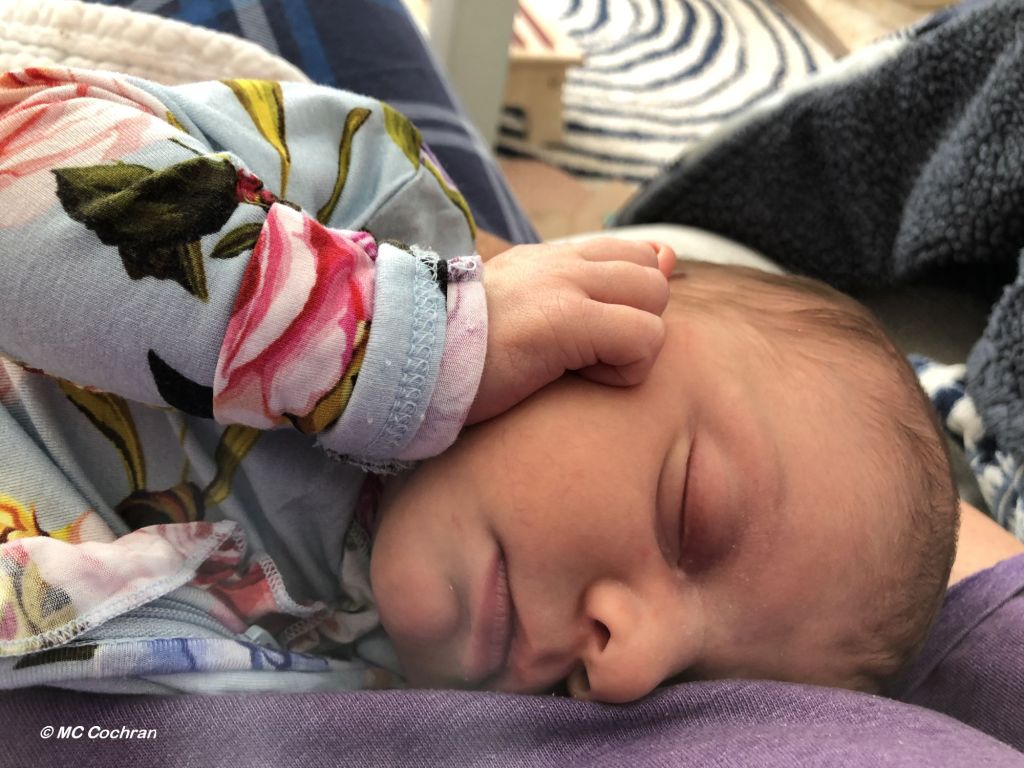
You slip into the crook of my arm as I recline on the sofa, your diapered bottom cradled like a football. I can feel your body beneath my hand rise and fall with your breathing. You – most likely – can hear my heartbeat as your head rests peacefully on my chest. I could, I think, sit like this forever.
They are blooming now, the cherry blossoms. I see them on FaceBook and Istagram. I know they are across the river in city parks, and up the road six or seven miles in the neighborhood where I used to live.
But here in COVID times, I do not find myself across the river or up the road much. Not to worry, though. In my own back yard, however briefly they can withstand the March rains and wind, my flowering quince regale me with their fleeting blossoms.
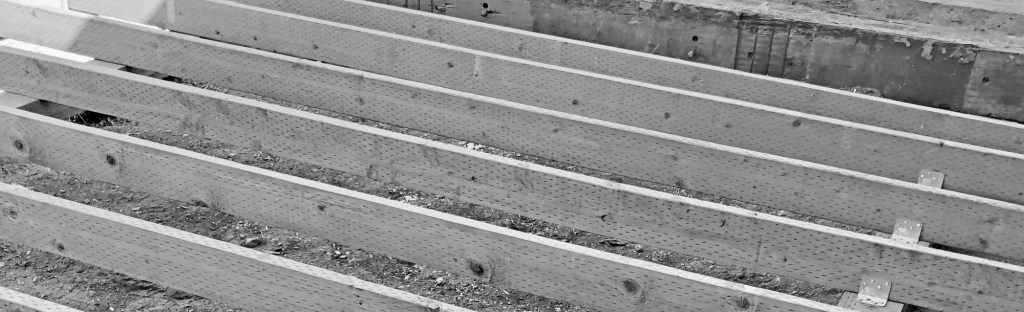
 I’m going to build a solid house,
 Good bones to frame it straight and true
 Upon which fasten seasoned boards
 The outside elements to subdue.

 It shan’t be graced with gingerbread
 that merely mildews in the rain,
 or gargoyles leering overhead
 evincing darkness and disdain.

 A simple plan as fits my taste,
 I aim to please no one but me.
 One needn’t look for blemishes.
 I’ll know they’re there; I’ll let them be.

 My house will stand the tests of time
 Clean lines that age but loathe to stray,
 With understated grace and strength
 to see me through my final days.
Today’sdVerse poetry prompt, as posed by sarahsouthwest: “I’d like you to look back over the last year and choose a poem that calls to you, and write a response to that.”
I chose a poem by Elizabeth Crawford Yates, a local poet who published in the 1950s. Her poem, “To a Time-Grayed House,” struck me in that she ascribes the aging process with “dread and wistfulness.” As I celebrate my 60th year on this planet, I don’t dread growing old nor do I pine for those long-lost days of youth. I do want to age gracefully though, and maintain my health as best I can. And so, the poem above was my response to this:
 TO A TIME-GRAYED HOUSE

 Though you may stare with dread and wistfulness
 At youthful cottage and its sleek white dress,
 Remember this. Too soon, that one may be
 A peeling thing, with shaken masonry.

 Elizabeth Crawford Yates
 from her book Wind Carvings (copyright 1953)