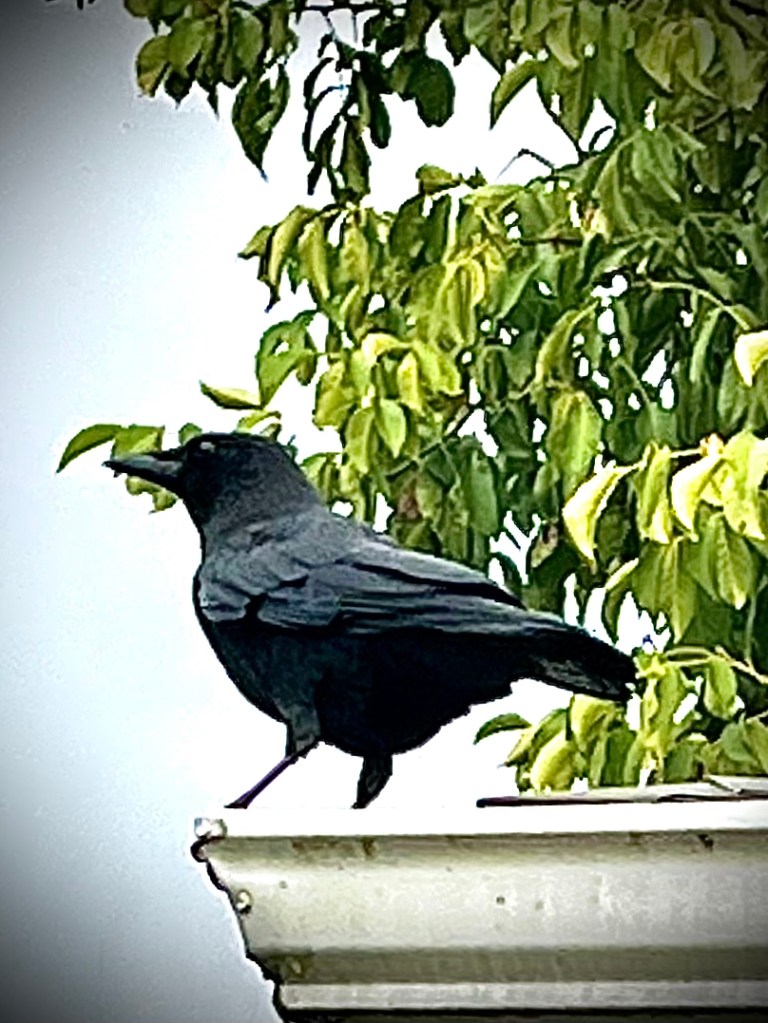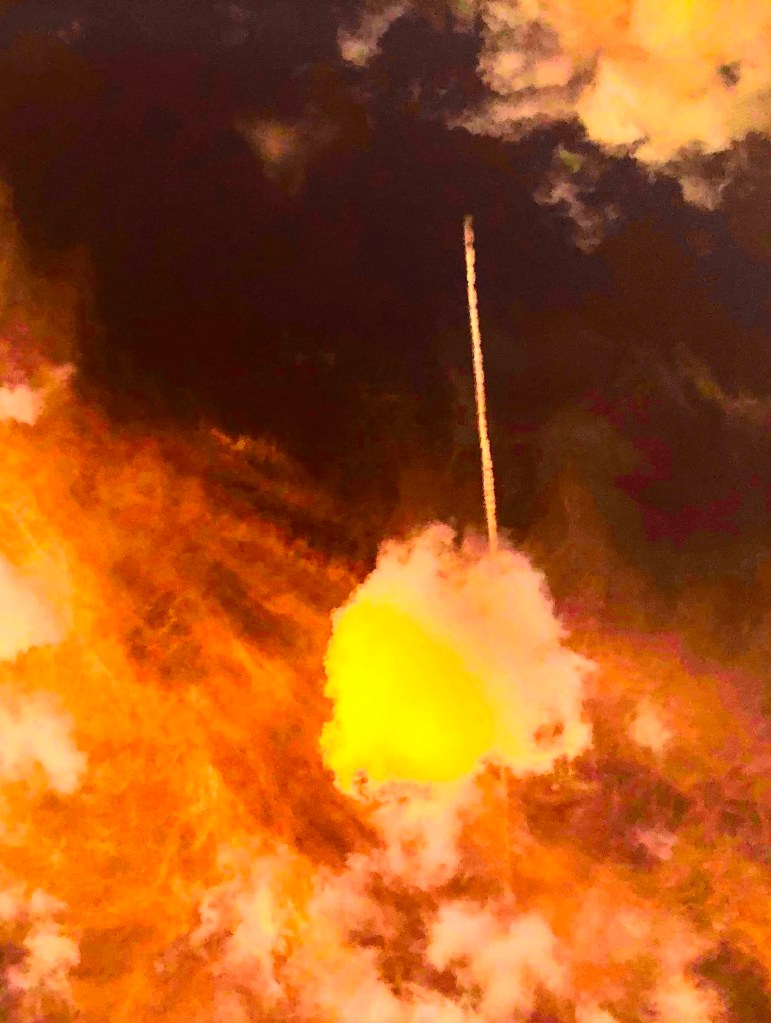
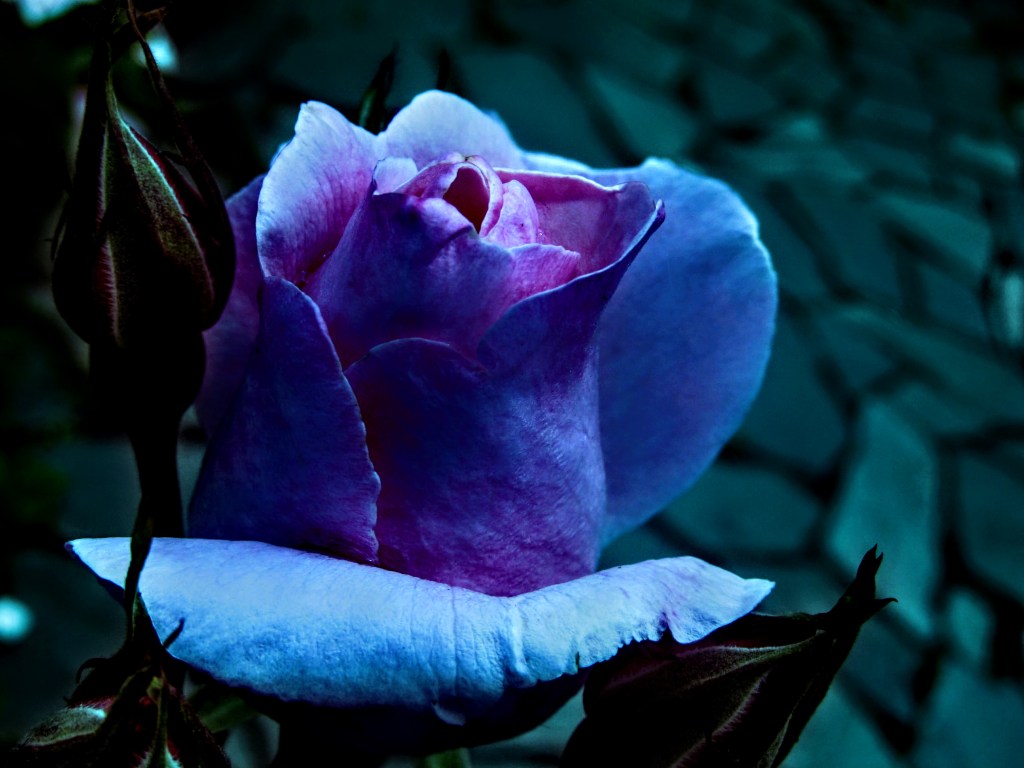
no mother needed – apparently; simply born within the patriarchal legacy, aromatic right from the start and already robed in the royal purple of kings
no mother needed as he rises full of promise, strong of his own accord, self-sufficient, one-of-a-kind, anointed with the frankincense and myrrh of his father’s own funeral pyre.
no mother needed, but the father is revered, his honor and reputation preserved and feted for eternity, ancestral ashes hidden away lest the paternal lineage become tainted by the scrutiny of daylight
no mother needed to nourish him, to prepare him for flight, to remind him of inborn vulnerabilities, no reference for humility and compromise, no haven for non-transactional love
"Pull yourself up by your own bootstraps!" ah, but the phoenix wears no such pedestrian footwear
and in the end, in his nest alone, consumed by the flames of his own making, his only solace is that a son will emerge to give his life meaning
Day Twenty prompt from NaPoWriMo.net: write a poem that uses an animal that shows up in myths and legends as a metaphor for some aspect of a contemporary person’s life. Include one spoken phrase.
Day Nineteen prompt from NaPoWriMo.net: pick a flower or two (or a whole bouquet, if you like) from this online edition of Kate Greenaway’s Language of Flowers. Now, write your own poem in which you muse on your selections’ names and meanings.
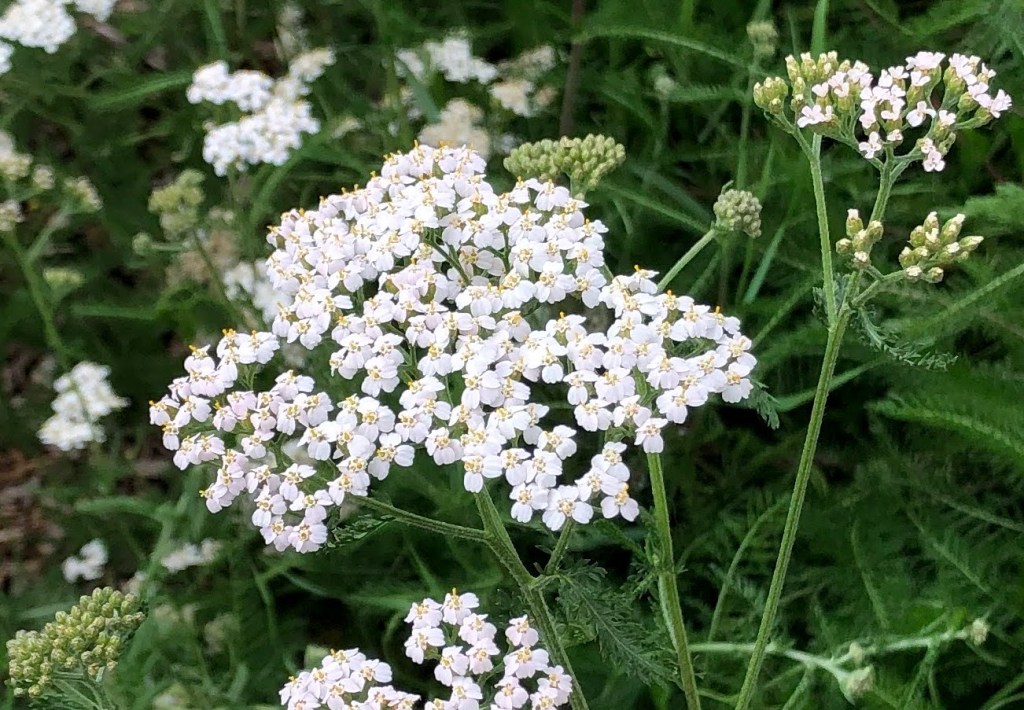
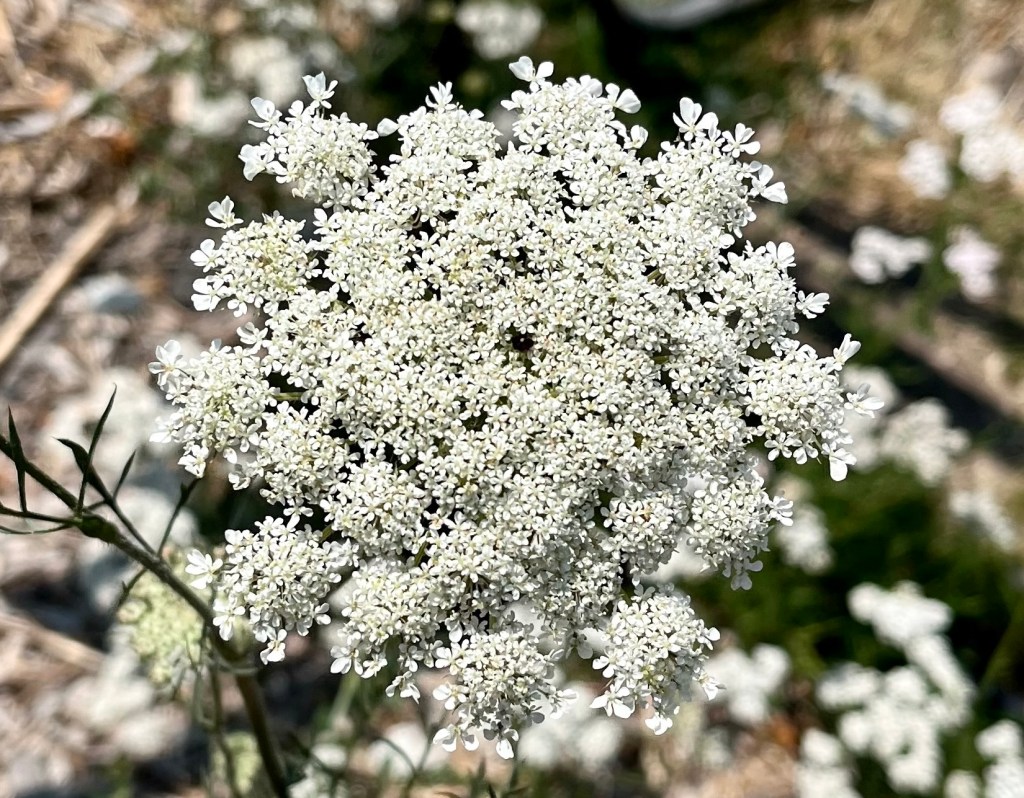
The two plants I chose were not listed in the Greenaway’s book. Apparently I speak a different flower language. Otherwise, on prompt.
They wrote it all down. The good (not much of that), the bad (though with surprisingly little judgment), and the ugly (so, so much of that).
They recalled the local boys who went from zero to hero just by donning a uniform, the surreal images of those same boys heading off to war by the trainload,
the newfound responsibilities of keeping up the homefront, the thrill of stepping out of constrictive roles: flexing freedoms, flexing muscles, revealing capabilities; still a wife, a sister, a nursemaid, a supportive prop, but now also a train conductor, a delivery driver, a farmer.
They spoke of the loneliness, the longing, the yearning, the carnal lust (“the wild cave-woman spoke”); outgrowing the “good girl,” the “good wife” roles, the soldiers, briefly passing by on their way to something horrible or coming back from something horrible, more than willing to fulfill the women's desires, allay their fears, divest them of their virginity.
They described the ubiquitous mud of the battlefields, how it turned uniforms brown (“the new style of clothing… the chic of mud”), how it disabled firearms, swallowed up artillery, drowned soldiers.
They told of the homecomings, the soldiers no longer soldiers, the bodies no longer breathing, the heroes who would rather not have been,
the mothers who weren’t mothers when their men went to war, the sainted helpmates who became whores in the eyes of unforgiveness, of hypocritical judgment, the fatherless children left to be raised by mothers who could no longer hold the jobs the men now reclaimed.
They sat opposite the empty chairs, where their partners in life once sat. They regretted scoffing at the the local boys in crisp new uniforms who became soldiers, who became heroes, who became disillusioned, haunted shells of men.
They suffered loss, but did not suffer bullet wounds, they sacrificed all but received no medals. They rose to the challenges but were shoehorned back into their stifled caricatures of weakness and dependency once deemed no longer needed in the workforce.
God bless the soldiers who fought for freedom and justice. God bless the women who fought for stability and sanity. God bless the female poets who lived it all and wrote it down so that we – a century later – might understand.
Day Sixteen prompt from NaPoWriMo.net: write a poem in which you respond to a favorite poem by another poet. Not quite on prompt today. In looking for a poem to use (as I have no favorite), I found myself falling down a rabbit hole of female poets writing about WWI. Stark, moving poems depicting all facets of the war from a woman’s perspective.
A Sampling of Poems written by women about World War One:
You slither across sun-parched deserts, wend through mossy forests, slip between crevasses of glass and concrete
We skip together to the corner store for a soda and candy bar; we writhe as one, cornered in a dank, underground parking garage.
You come at us, push through us, leave us behind, then swing back around like a Mobius strip to do it all again.
You take our hand on a warm, country afternoon and we stroll in comfortable silence down sweet, forgotten lanes. You cradle us in your fluid arms, whisper memories and dreams, conjure hope and regret, satisfaction and despair.
We have too much of you, or not enough. We bless you and curse you, and all the while, your ineffable presence is steadfast, defining our very lives.
If you have taught me anything, it’s this: you should not be taken for granted; if I fight you, I will lose; if I embrace you, I will find peace.
Time waits for no one. Time marches on. Time is on my side…
So many misconceptions we have about you. It's no wonder we continue to waste you.
Day Fourteen prompt from NaPoWriMo.net: write a poem that bridges (whether smoothly or not) the seeming divide between poetry and technological advances.
Day Thirteen prompt from NaPoWriMo.net: write a poem about a remembered, cherished landscape. At some point in the poem, include language or phrasing that would be unusual in normal, spoken speech – like a rhyme, or syntax that feels old-fashioned or high-toned.
He enters through the laundry room, passes off his domed metal lunch pail, heavy with the stainless steel thermos that clips into the top of the box.
Boots off. Faded denim overalls and wrinkled red handkerchief dropped onto the dirty clothes pile. Now in his “suntans”: a khaki shirt and loose-fitting trousers reminiscent of his wartime uniform.
At the deep utility sink, water so hot it turns his skin red. With lava soap and a bristle brush he attacks the black tarry substance stuck to his hands and arms. Soap lathers up past his elbows.
Face washed, hat-flattened hair tamed with a black plastic pocket comb; only then does he enter the kitchen and greet his wife with a kiss. Supper is cooked and waiting for him.
Day Twelve prompt from NaPoWriMo.net: write a poem that recounts a memory of a beloved relative, and something they did that echoes through your thoughts today.
(Text presented at bottom of post if you don’t want to wade through the erasures. )
Law Gone! Introduction: A Neatly Cut American Dream
Since the development of our earliest law, a privileged founding father of America sought to elevate our nation's fence for keeping out lives. He envisioned a wall like the aristocrat model. Drive the streets today and you'll see one law flowing into the next.
It's easy to see how the law became so popular. When maintained with regular grooming, it can be used for play and relaxation. Installing a law is fairly tidy.
Law culture applying -- and suppressants -- became firmly entrenched and today many councils have codified standards for a front. Just look at the law -- packed with big business.
The Grass is Always Greener
The fact is, traditional laws aren't well suited to our country. The particular, as well as the drought-prone law, often require copious toxic cover, require several hours of maintenance and the power comes with a high cost. Today we have a better understanding of the law's impact. We're tainted.
All around the country you can find a nation differentiated. We deserve better -- and we can make it happen.
People hardly use the law, and it can seem awful to maintain something that you never use. Other types do a beautiful job of covering, and help reduce the law that afflicts so many. Adapt and ultimately use fewer. You'll have the satisfaction of harming the environment. Let's reclaim our space.
Law Gone!will show you how to remove the law. Walk through the methods of law removal and install your new guard. If you have rules or ordinances to contend with, minimize their impact. Find picks and experts to pinpoint plans.
Day Eleven prompt from NaPoWriMo.net: Today, we’d like to challenge you to write your own erasure/blackout poem. You could use a page from a favorite book, a magazine, what have you. It can be especially fun to play with a book you don’t know, particularly one that deals with an unfamiliar topic.
I chose to usurp the introduction from the book Lawn Gone!: Low-Maintenance, Sustainable, Attractive Alternatives for your Yard by Pam Penick. My apologies to the author.
I grieve for lives lost because of others’ greed. I grieve for dreams crushed and opportunities denied because of prejudices and abuses of power. I grieve for hope dying, for hope lost.
I celebrate silly memes whose sole purpose is to express creativity and humor and joy in life; proof of the indomitable vein of humaneness within us. I celebrate sober acts of love, good will, humility, generosity and bravery of everyday people coming together to support, care for and protect one another.
I challenge myself to not look away, to not try to distance myself from the brutality, the callous disregard of suffering, the shortsighted squandering of natural resources that are the very foundation of life on earth. I challenge myself to right the wrongs.
Day Ten prompt from NaPoWriMo.net calls for “a meditation on grief.” I didn’t entirely meet the criteria of the prompt, but I’m still on track for a poem a day in April.
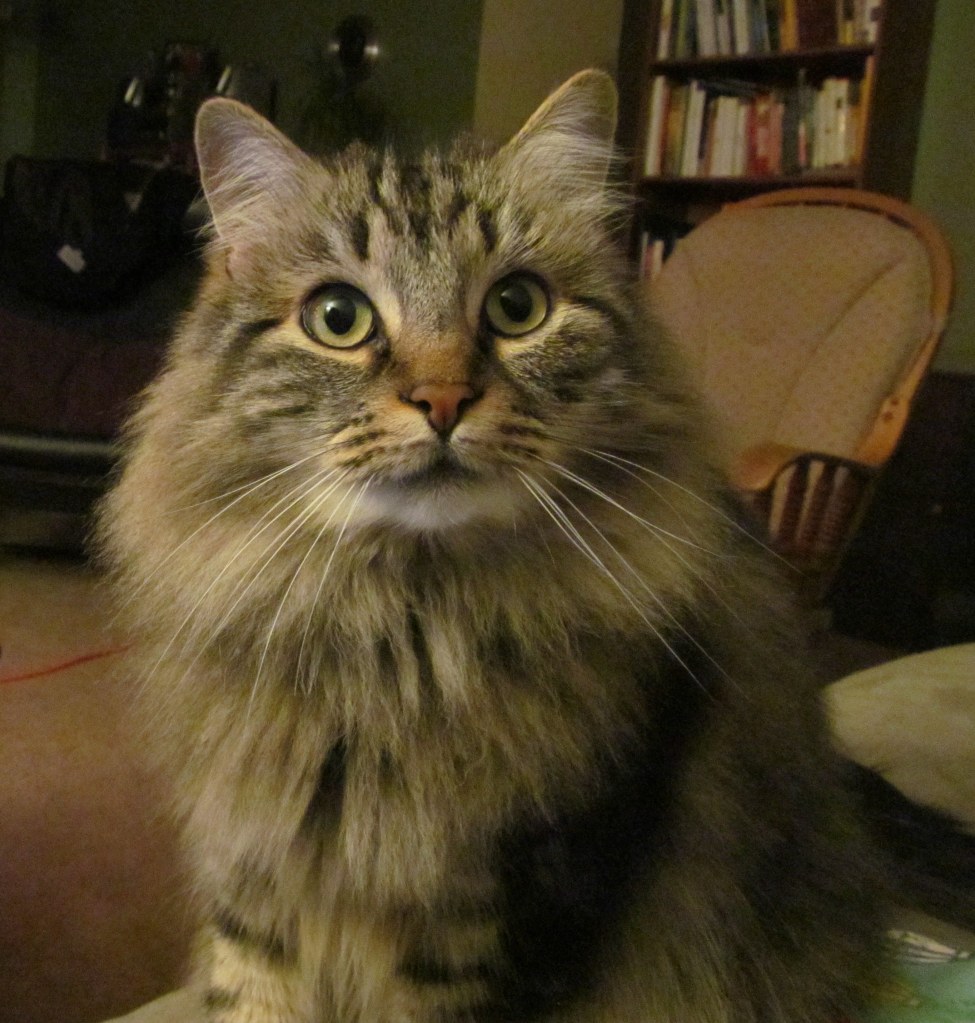
“Cats rule, dogs drool.” Ain’t that the truth! Gobs of slobber hanging at the ready so that with a mere shake of the head they become blobby missiles of slime slinging through the air to attach to the nearest person or food or furniture.
But not my dog. Oh there may be the occasional teeny tiny droplet of saliva as he sits patiently waiting for a treat but a simple dab of the floor cleans it right up and for anything more problematic he uses the handkerchief he always carries in his pocket.
Cats sneeze, dogs have fleas and ticks and intestinal worms and we won’t even go into the host of gross and despicable things they pick up from rolling on the ground just before coming into the house and jumping on the couch to use it as their personal clean up towel but really they're just grinding the grunge deeper into their fur.
But not my dog. Bugs are naturally repelled by the aura of cleanness that encircles him like a shield that even the most tenacious insect cannot penetrate and his fur is like teflon so if he encounter any foreign matter it slides right off him and when he enters the house he wipes his feet carefully on the door mat and politely asks if he is adequately presentable before venturing inside.
Cats blink, dogs stink. Boy do they! Imagine a grungy gym bag that has been sitting in a locker with a load of sweat-laden clothing and then that gym bag falls into a ditch full of putrid standing water and then is dragged across a not-so-well picked up dog park and then is left in a moldy shed to marinate for weeks and that’s how dogs smell.
But not my dog. He smells like a freshly washed linen sheet just pulled from the outdoor clothesline of a country cottage except when he is wet and then he smells like a freshly washed linen sheet that has been left out on the clothesline during a brief springtime rain shower.
Cats purr, dogs shed fur in great quantities flying everywhere to land on clothing and furniture and into food dishes and drinking glasses and if you are wearing black it will come from a white dog and if you’re wearing white it will be a brown or black dog that blasts you like a porcupine releasing its quills.
But not my dog. Oh I find the occasional strand of fur in the bathroom sink after he has finished with his morning ablutions of tooth brushing and face washing and running a brush through his ringlets of hair and it is so pretty with a sheen like fine tinsel that I just leave it there to enliven the otherwise dull bathroom decor.
And so now you can understand why I am a confirmed cat person and would never ever even consider owning a canine – except, of course – my dog.
Day Eight prompt from NaPoWriMo.net: In your poem for today, use a simple phrase repeatedly, and then make statements that invert or contradict that phrase.