What is in a name?
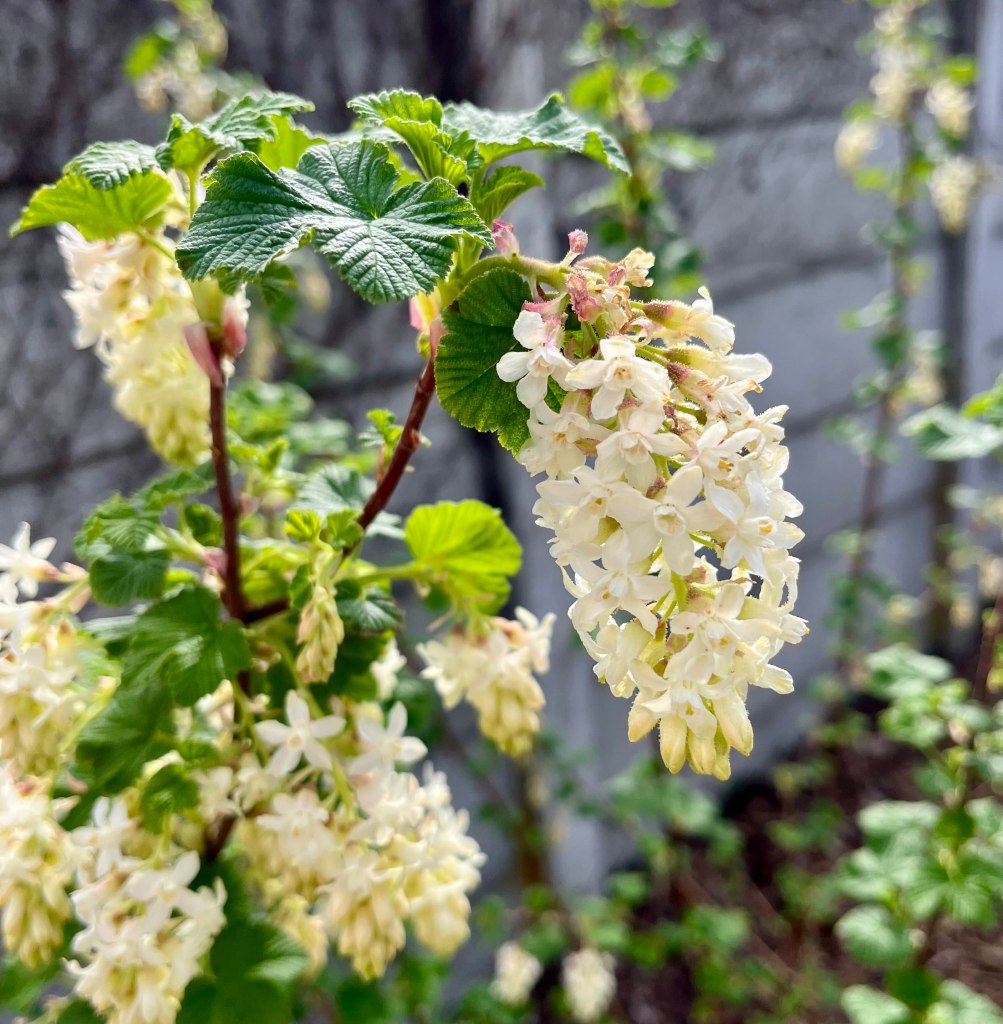
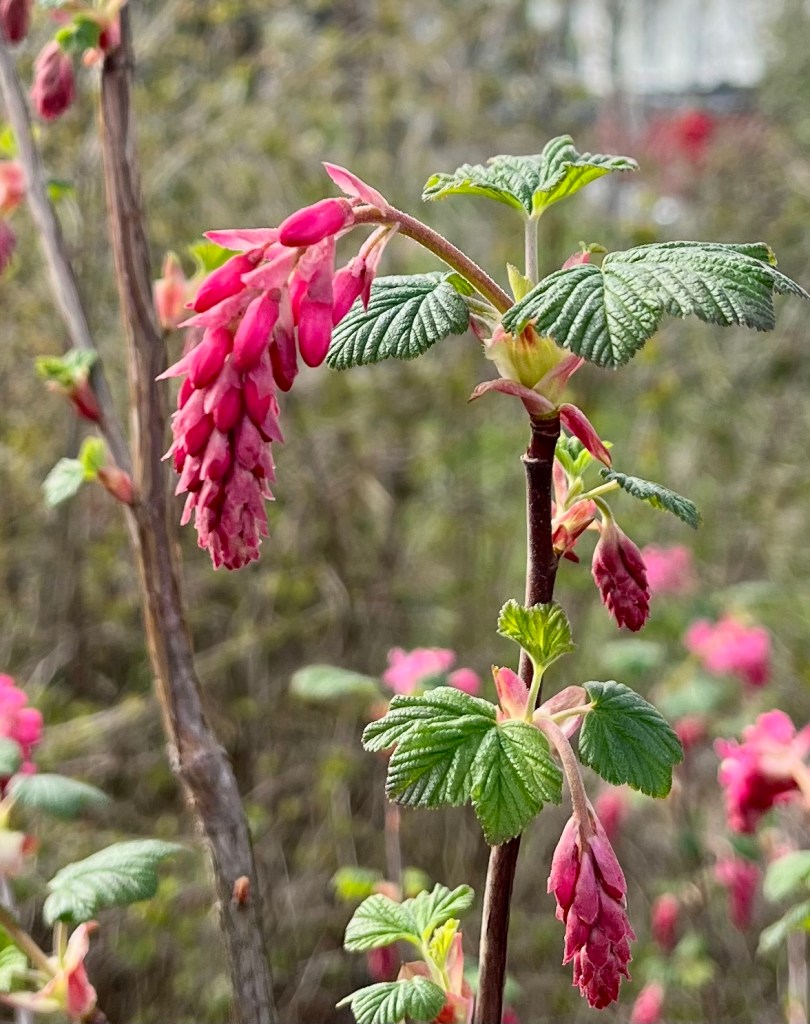
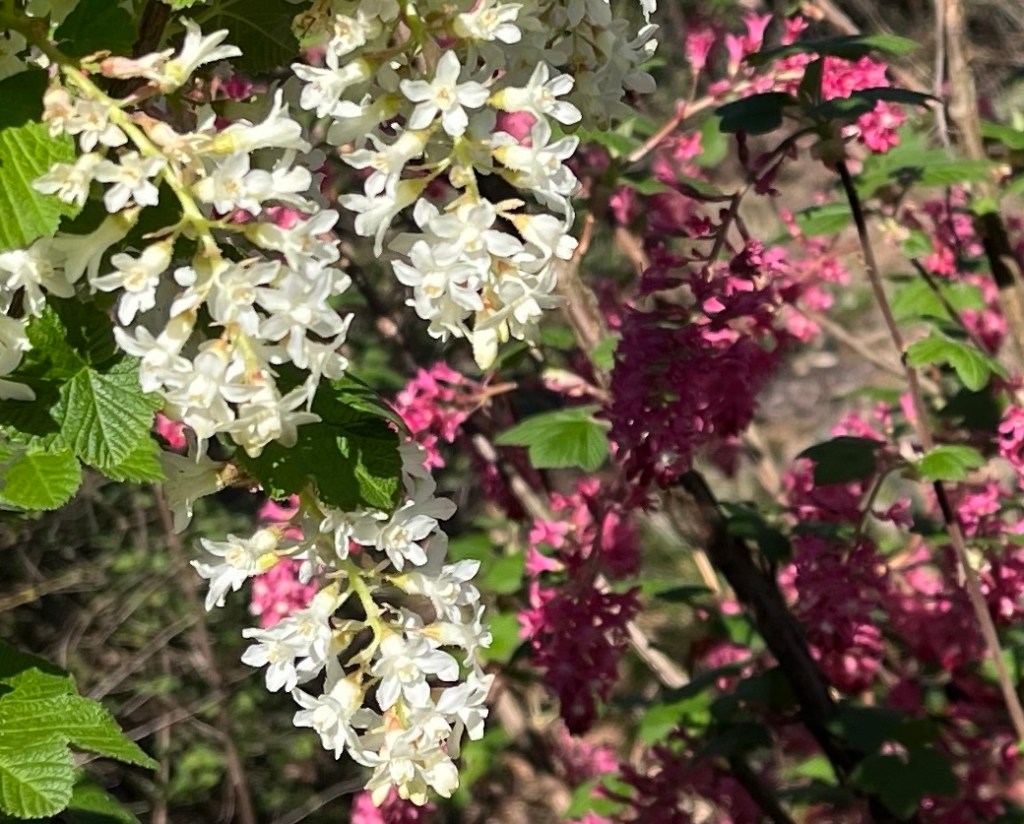
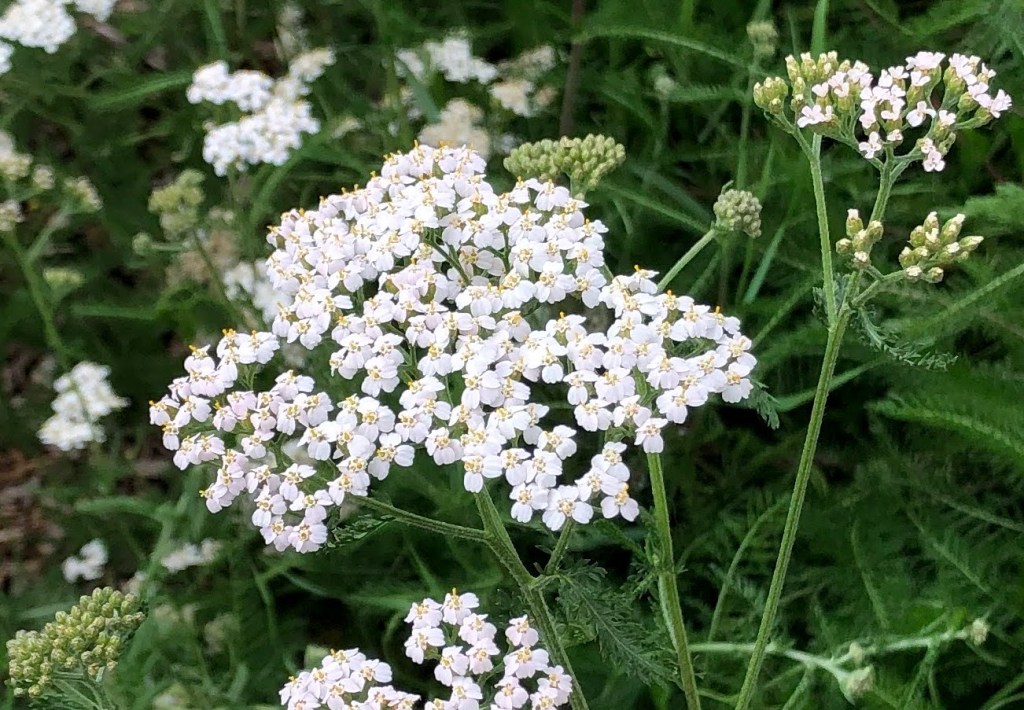
Why, red flowering currant,
are your blossoms white?


What is in a name?
Why, red flowering currant,
are your blossoms white?


“Your yard gets a lot of attention from my visitors!” my neighbor calls from the edge of her manicured lawn. I survey my property, a burgeoning habitat for native plants and the native critters that feed upon them.
“Yeah,” I reply. “Someone recently asked me if I was letting the yard go wild to reduce my property taxes.”
My neighbor laughs, and then admits the nature of the “attention” to which she had alluded.
“My visitors ask, ‘Does she mean for her yard to look that way?’ ‘She’s planting all that brush intentionally?’”
bear grass and buckbrush,
coyote bush and deer fern…
and skunk cabbage? Please!
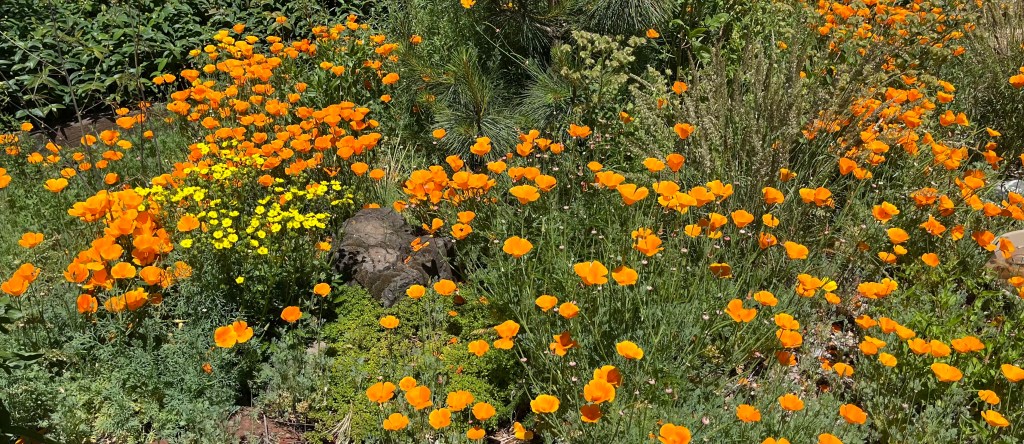
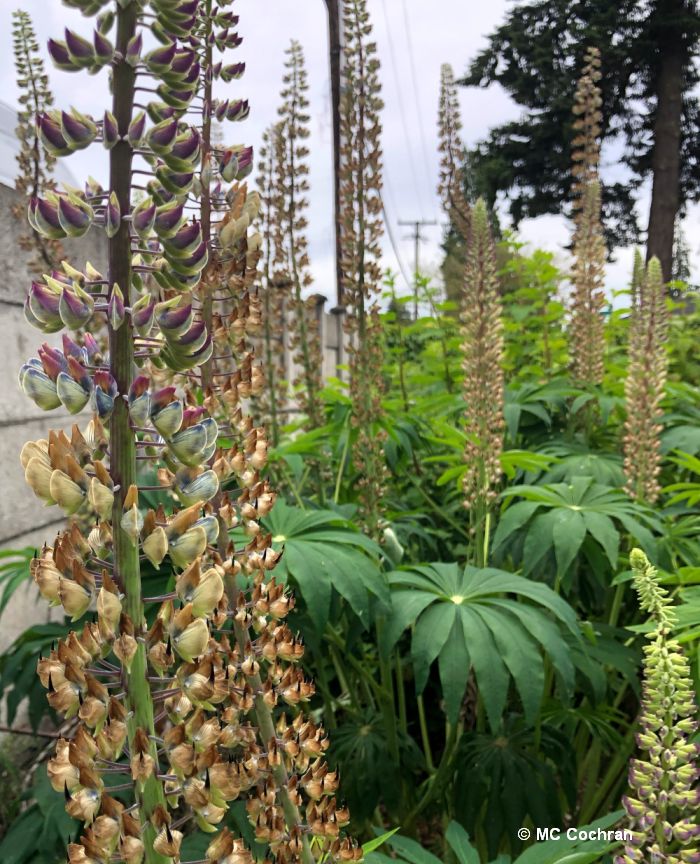
I wonder if those are the thoughts of visitors or of my neighbor, or maybe of all who see my native landscaping. So be it. I settle into the rocking chair on my back porch and watch bees – legs plump with pollen – buzz through the California poppies. Ladybugs dine on aphids among the large-leaved lupines, and a pair of mourning doves peck for seeds beneath a clump of prairie june grass.
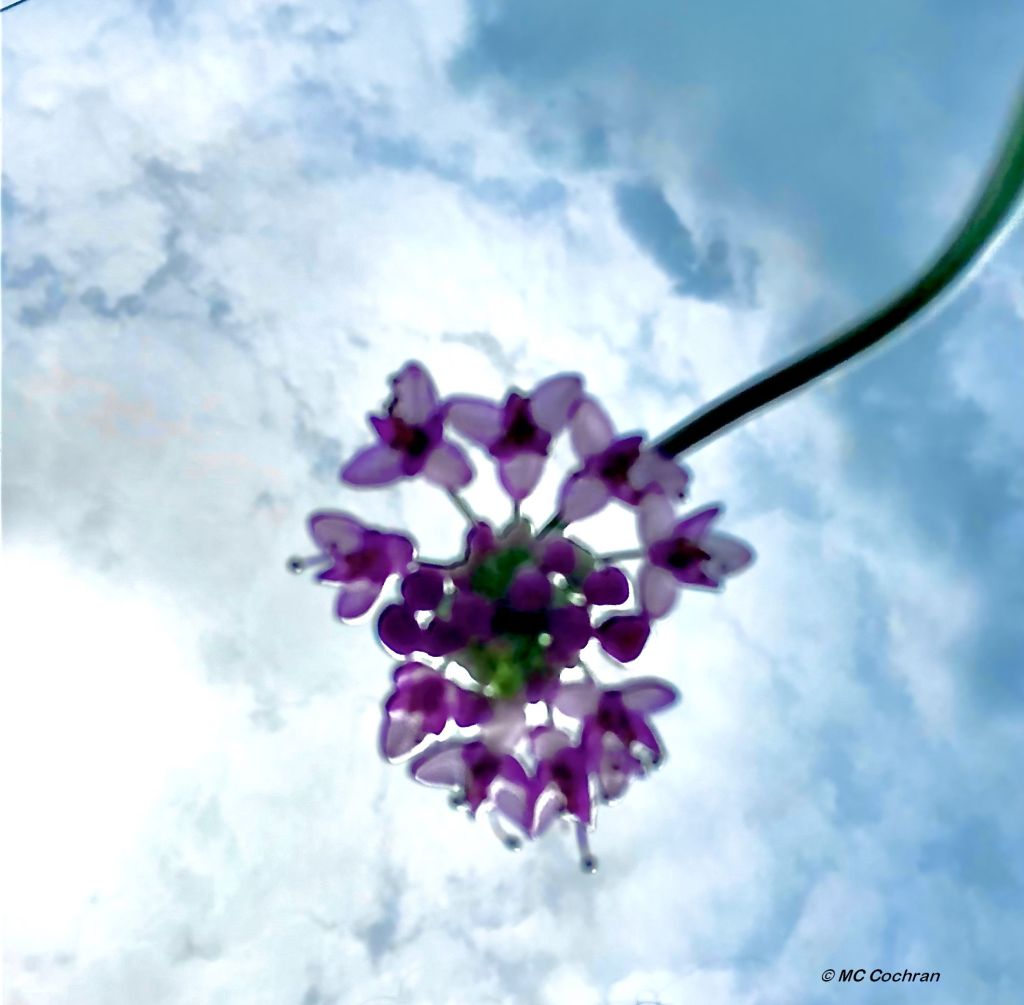
summer solstice nears
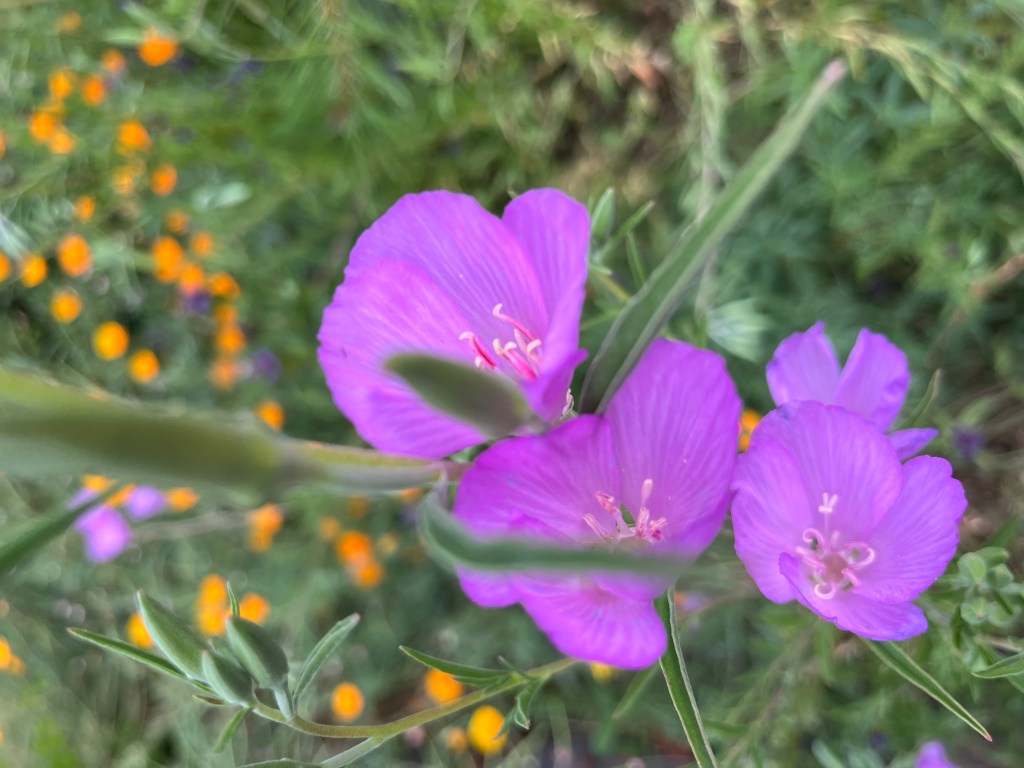
farewell-to-spring’s pink petals
blossoming on cue


The first day of summer dawns hot and dry; not like it used to here in the moderate Pacific Northwest of my youth. The air outside is stifling, so I stay indoors listening to the hum of the fan and worrying about the young plants in my nature garden. The shrubs and berries and grasses – all native to this area – are not supposed to need supplemental watering because they are acclimated to thrive in their natural environment.
But this climate, altered to unnatural heat and drought, is not what Mother Nature signed on for when she gave us the delicate mosses and ferns, the soft evergreen needles, the supple, shiny leaves of shrubs like snowbrush and Oregon grape.
This evening a breeze will pick up and give at least the illusion of coolness to the air. I will visit the garden to make sure the ladybugs, bees and butterflies have water in the little pool I made for them. And I will utter an apology on behalf of my species for the damages this planet has endured. The rain, when it comes, will be happily welcomed.
Imperceptibly,
summer solstice pendulum
pauses, shifts, recedes.


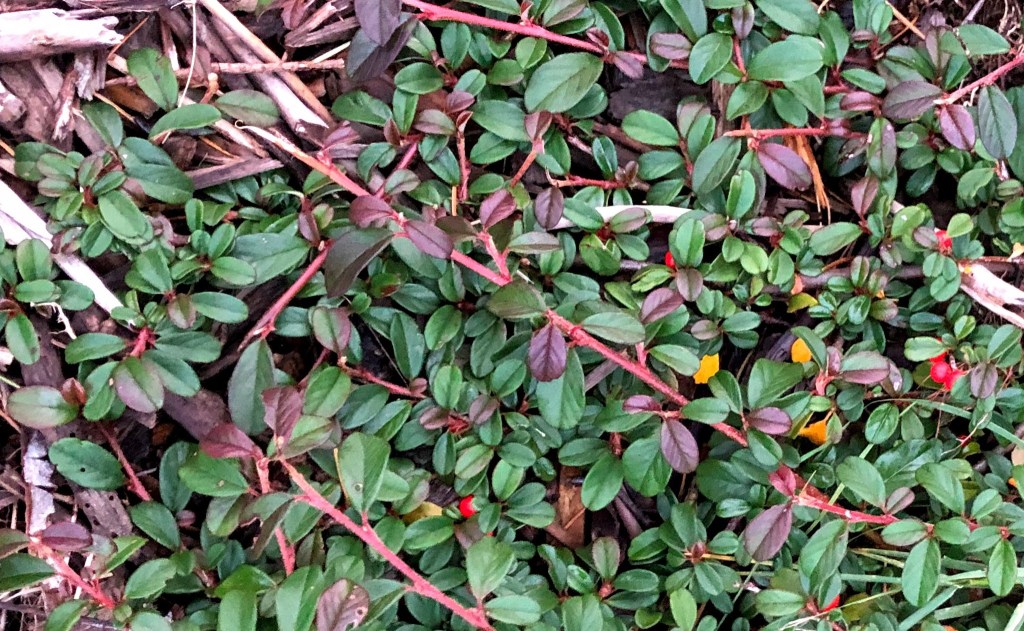
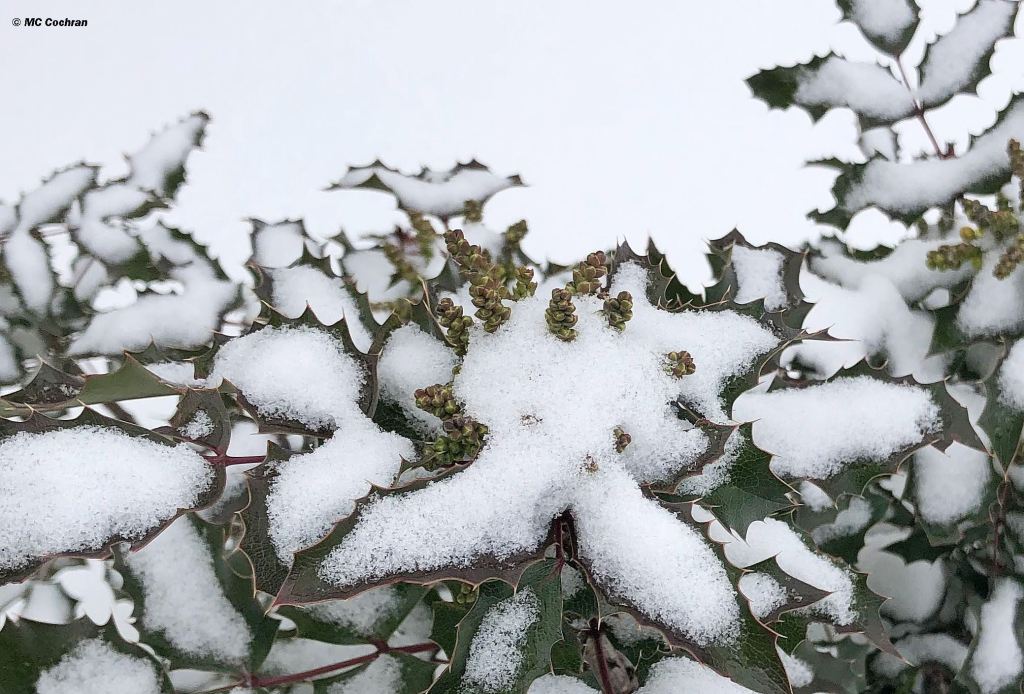
As my native habitat garden takes shape, I’ve been drawn to it almost daily. In the wet fall I checked for problematic standing water at the base of the young crabapple tree and marveled at the resilience of rain-battered kinnikinnick. In winter I fretted over snow-covered Oregon grape and ice-encased flowering currant.
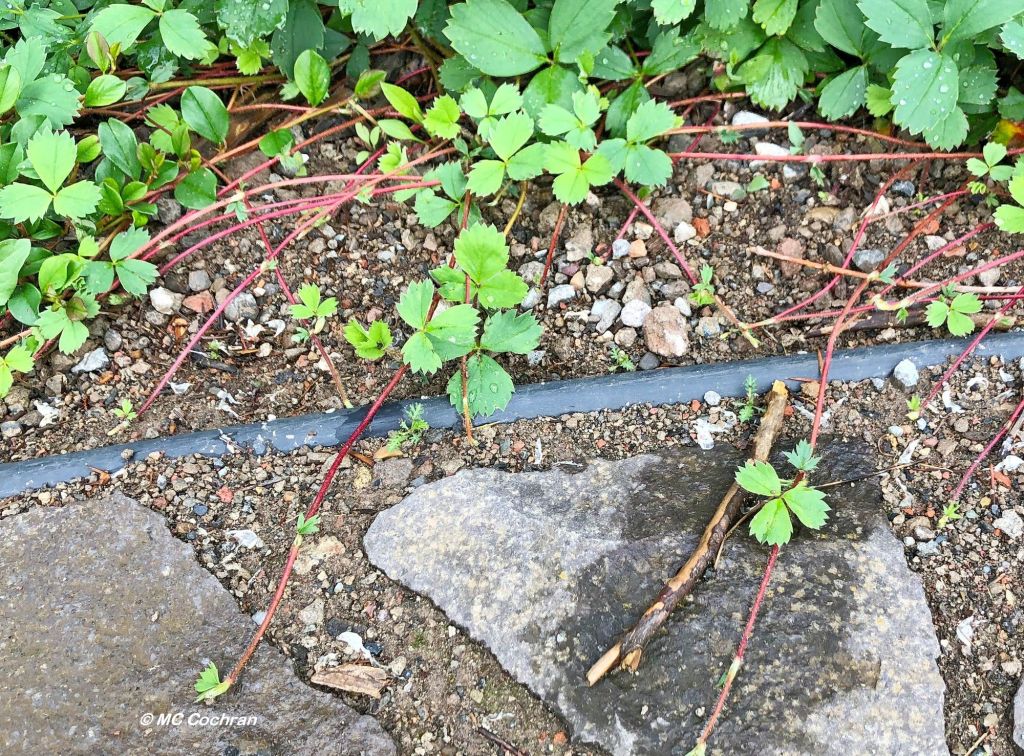
As spring unfolded, I searched bare twigs for the slightest hint of green, watched tiny sprigs rise from the ground and swell into verdant foliage; and now – finally – flowers are maturing, bugs are pollinating and wild strawberries are sending out runners to claim yet more ground.
I always considered autumn to be my favorite season with its crisp rain-filtered air, crunchy carpets of fallen leaves and trees dressed in flame-inspired palettes. Now, I believe my favorite season is whichever currently holds sway over my everchanging garden.
lupines point skyward
blooming flower moon beckons
who will eclipse whom?
For dVerse poets Haibun Monday: flower moon.