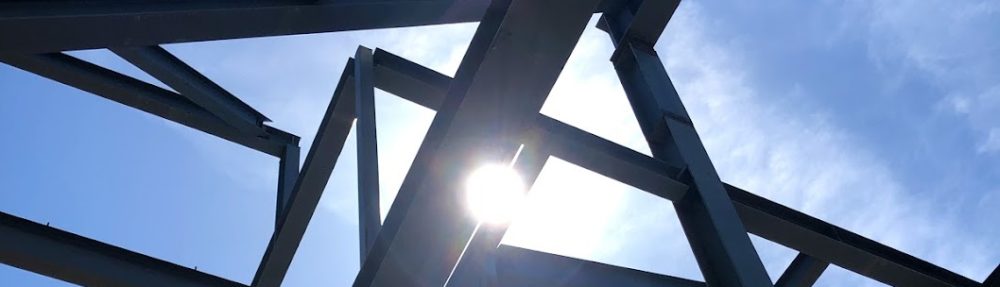
Day Fourteen prompt from NaPoWriMo.net: write a poem that bridges (whether smoothly or not) the seeming divide between poetry and technological advances.
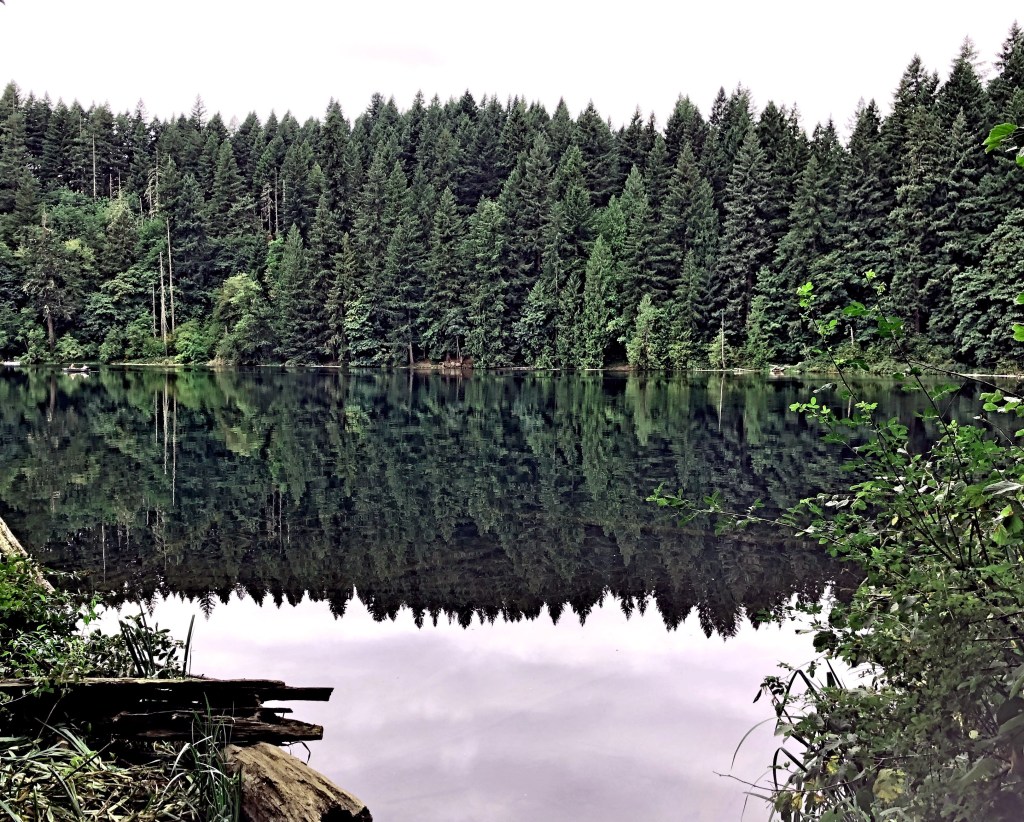
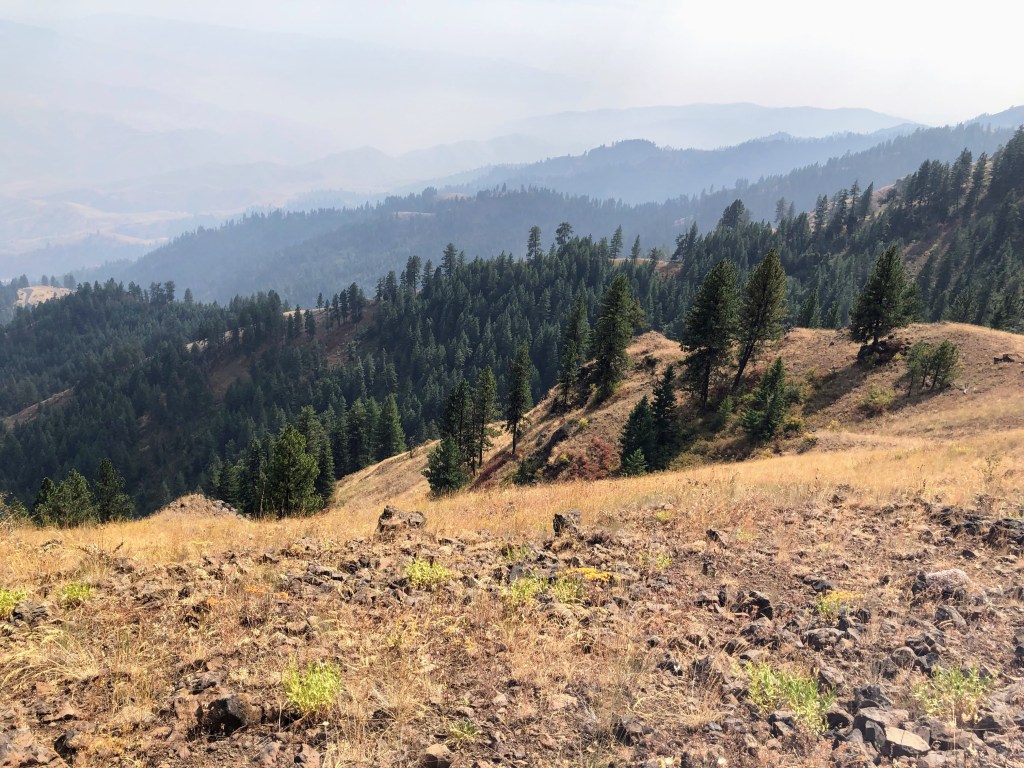
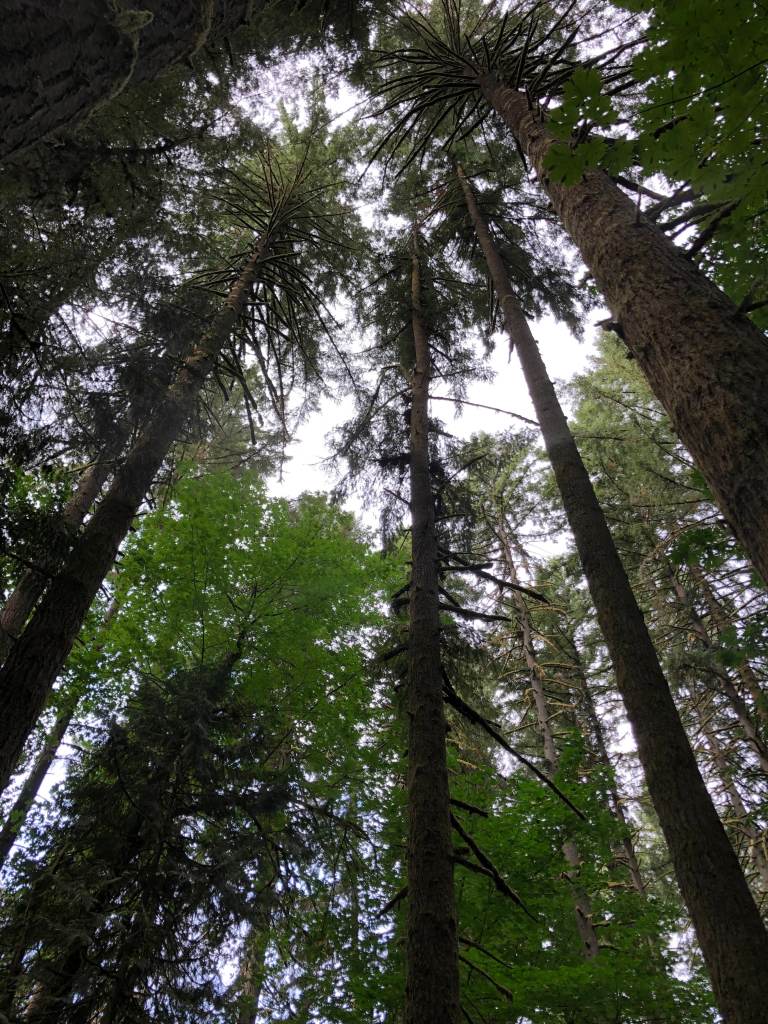
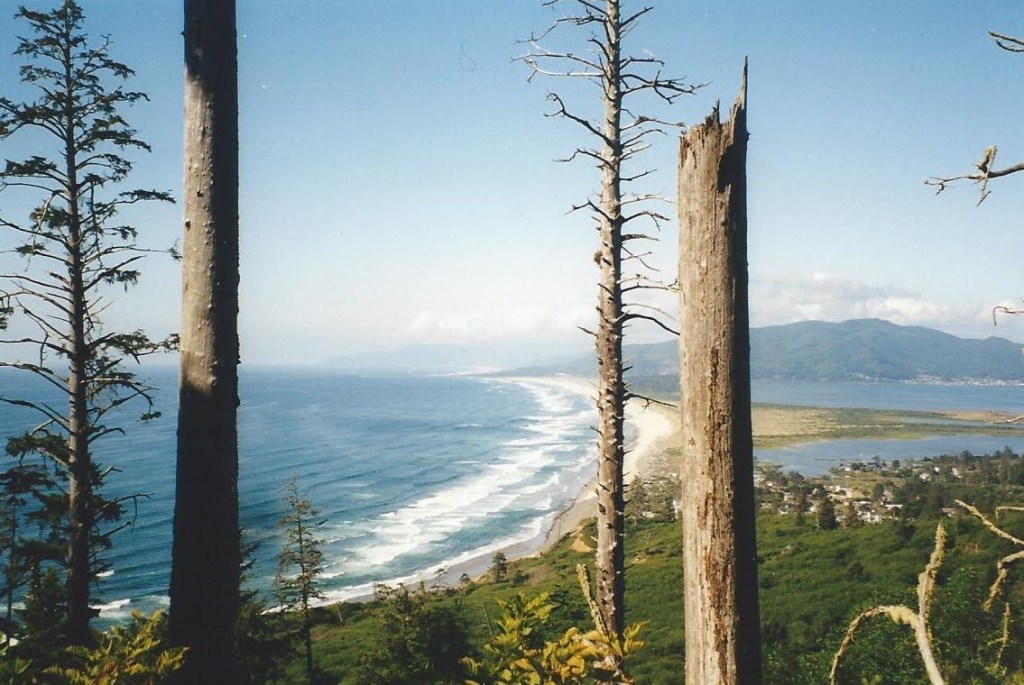
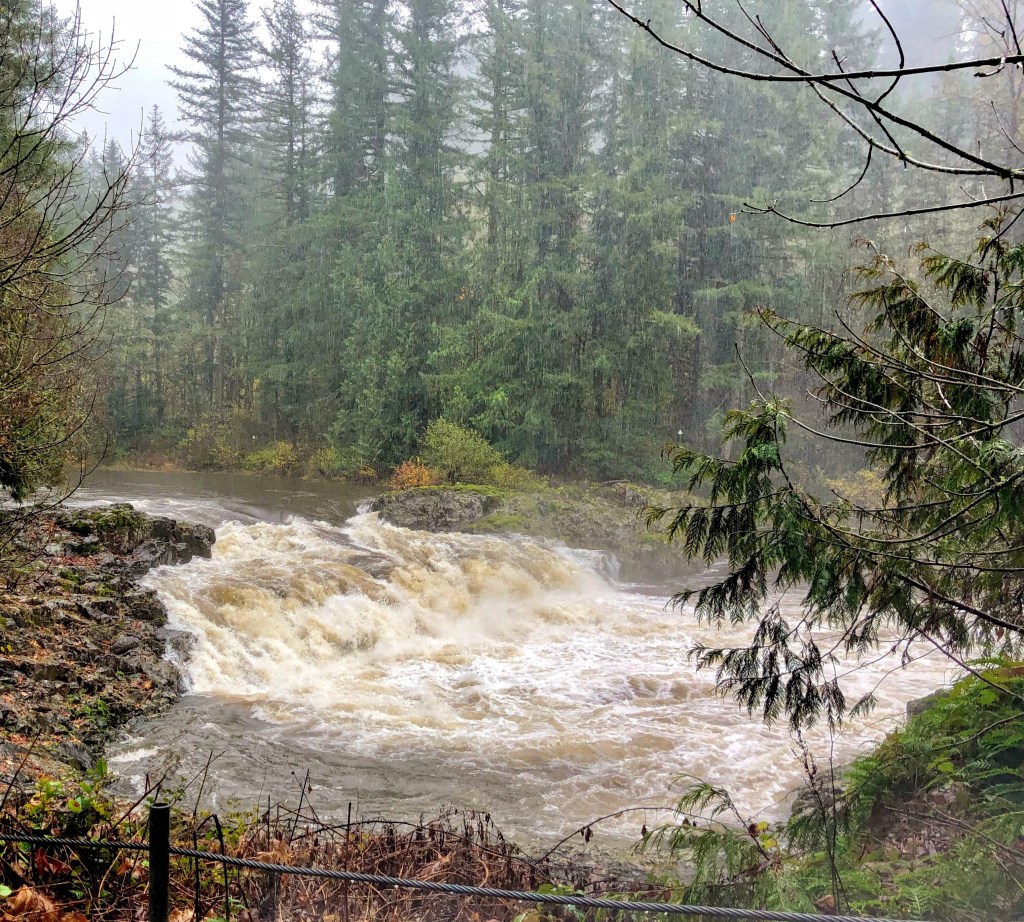
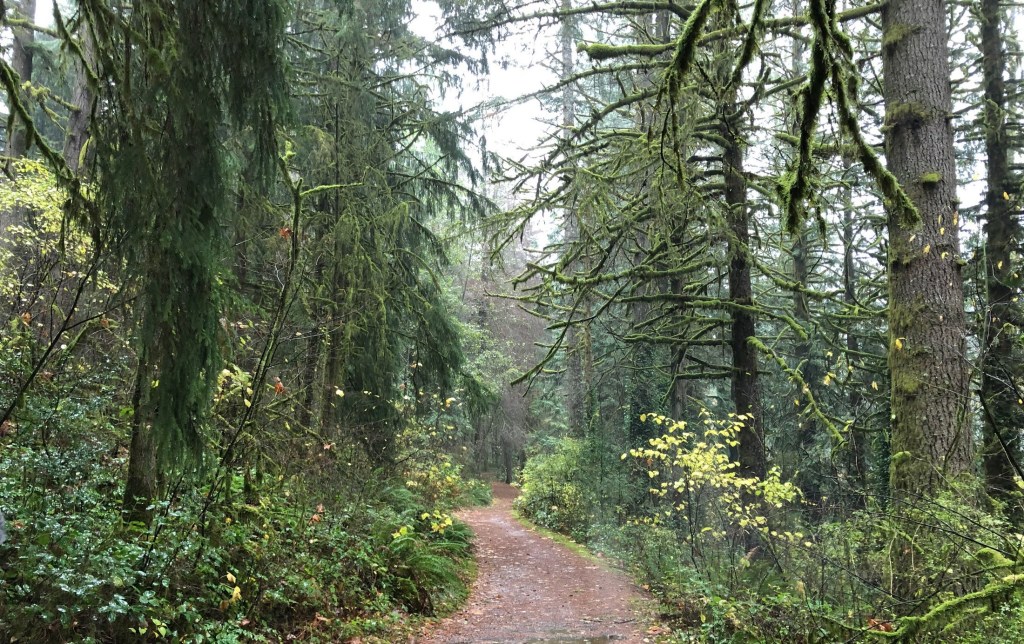
Day Thirteen prompt from NaPoWriMo.net: write a poem about a remembered, cherished landscape. At some point in the poem, include language or phrasing that would be unusual in normal, spoken speech – like a rhyme, or syntax that feels old-fashioned or high-toned.
(Text presented at bottom of post if you don’t want to wade through the erasures. )
Law Gone! Introduction: A Neatly Cut American Dream
Since the development of our earliest law, a privileged founding father of America sought to elevate our nation's fence for keeping out lives. He envisioned a wall like the aristocrat model. Drive the streets today and you'll see one law flowing into the next.
It's easy to see how the law became so popular. When maintained with regular grooming, it can be used for play and relaxation. Installing a law is fairly tidy.
Law culture applying -- and suppressants -- became firmly entrenched and today many councils have codified standards for a front. Just look at the law -- packed with big business.
The Grass is Always Greener
The fact is, traditional laws aren't well suited to our country. The particular, as well as the drought-prone law, often require copious toxic cover, require several hours of maintenance and the power comes with a high cost. Today we have a better understanding of the law's impact. We're tainted.
All around the country you can find a nation differentiated. We deserve better -- and we can make it happen.
People hardly use the law, and it can seem awful to maintain something that you never use. Other types do a beautiful job of covering, and help reduce the law that afflicts so many. Adapt and ultimately use fewer. You'll have the satisfaction of harming the environment. Let's reclaim our space.
Law Gone!will show you how to remove the law. Walk through the methods of law removal and install your new guard. If you have rules or ordinances to contend with, minimize their impact. Find picks and experts to pinpoint plans.
Day Eleven prompt from NaPoWriMo.net: Today, we’d like to challenge you to write your own erasure/blackout poem. You could use a page from a favorite book, a magazine, what have you. It can be especially fun to play with a book you don’t know, particularly one that deals with an unfamiliar topic.
I chose to usurp the introduction from the book Lawn Gone!: Low-Maintenance, Sustainable, Attractive Alternatives for your Yard by Pam Penick. My apologies to the author.
I can read minds, you know, and it’s not always pleasant. Like right now, you’re showing interest and kind of nodding along like you totally buy into what I’m telling you, because that’s the persona you want to project: openmindedness. But what you’re really thinking is that my purported ability to read minds is totally bonkers, and I must be, too.
We all have personas that we try to sell. Intellectual, confident, bad ass, honest and open… Yep, that last one is a projection, too. I mean, maybe you are honest and open. I’m not saying you aren’t. But you also want to be seenas honest and open, because that’s your persona.
So here’s the problem with reading minds: I can read who you are, who you think you are, who you think other people think you are, who you wish you were, who you wish others would think you were… That's a lot of reading, and -- as I said -- not so pleasant.
So, what about me? Who am I? Who do I think I am? Who do other people think I am? Besides bonkers, that is. I really haven’t a clue. What do you think I am, a mind reader?
Day Six prompt from NaPoWriMo.net: In your poem today, try writing with a breezy, conversational tone, while including at least one thing that could only happen in a dream.
Day Five prompt from NaPoWriMo.net: write a poem in which you talk about disliking something – particularly something utterly innocuous, like clover. Be over the top! Be a bit silly and overdramatic.
Day Four prompt from NaPoWriMo.net: craft [a] short poem that involves a weather phenomenon and some aspect of the season. Try using rhyme and keeping your lines of roughly even length.
The canvas panel lays before me, blank and pristine. Or almost pristine. Scuff marked and yellow tinged; it's been sitting around for a while.
A horizontal penciled line, not quite centered. Top portion is the sky. Paint it blue, I’m told.
But skies aren’t out-of-the-tube blue on flat canvas. They’re deep, dappled with clouds sometimes, softened by invisible breezes at other times. Troubled by storms, subdued by dawn’s tentative tendrils. That all comes later, I’m told.
I dab at the blue mound on waxed paper. Oil or acrylic, I don’t recall.
Mom sits nearby, chatting with her friend who is -- ostensibly -- here to teach me art. They gossip – well, the friend does. Mom listens, jokes, commiserates. Passes judgment.
A large book lies open on the table, showing step-by-step how to recreate the painting: an old barn on a rutted dirt road alongside a generic, leafless tree.
Sketch the outlines as illustrated, I'm told. I don’t want to. This is someone else's painting, not mine. I don’t know what the barn has seen, what the tree has felt.
Who traversed the road to carve the ruts, Where were they headed? What did they find upon arrival?
I put lines on the canvas with a #2 pencil. That’s enough for tonight, I’m told. My mom and her friend barely glance at my work, make vague plans for a return visit. The friend leaves.
The half-blue, scuffed canvas sits on the floor in a dark corner of my bedroom closet. For years.
Day Two prompt from NaPoWriMo.net: “write [a] poem in which you recount a childhood memory. Try to incorporate a sense of how that experience indicated to you, even then, something about the person you’d grow up to be.”