Today’s dVerse challenge, as hosted by Lisa, is to write a Halloween-themed poem that speaks to a human attribute that we find particularly irritating. For me, it is name-calling. The poem form, for extra credit, is called a duodora, which you can read about on the dVerse site.
Pulling my truck to the side of the road, I double check my navigation app. Did it really mean for me to leave the highway and head up this steep and narrow hairpin road, where trees are flocked by snow flurries that continue to assail my windshield? I check the gas gauge. Not full, but enough. I hope.
I drive cautiously. The road is clear for now, but I continue to ascend, and the skies continue to darken. Jones Pass. Good, I think, as the road dips down. But a few more curves and we’re headed up again. Willow Creek Pass. Am I just zigzagging among the mountain range summits?
The compass shows I’m heading northwest for the most part, which is ultimately the direction of my intended destination. I grip the steering wheel and continue on. After all, I ask myself, what’s the worst that could happen?
I open my stats page, already knowing I’ll see lots of blank spots on the calendar that indicates whether I’ve posted to my blog on any given day. It’s been a dry summer, weatherwise and creative writing-wise.
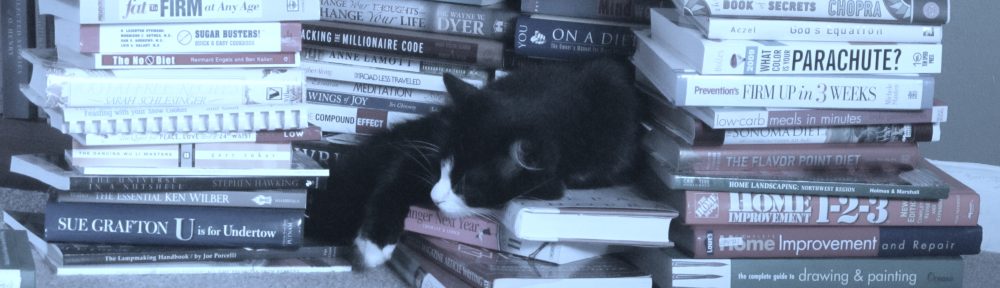
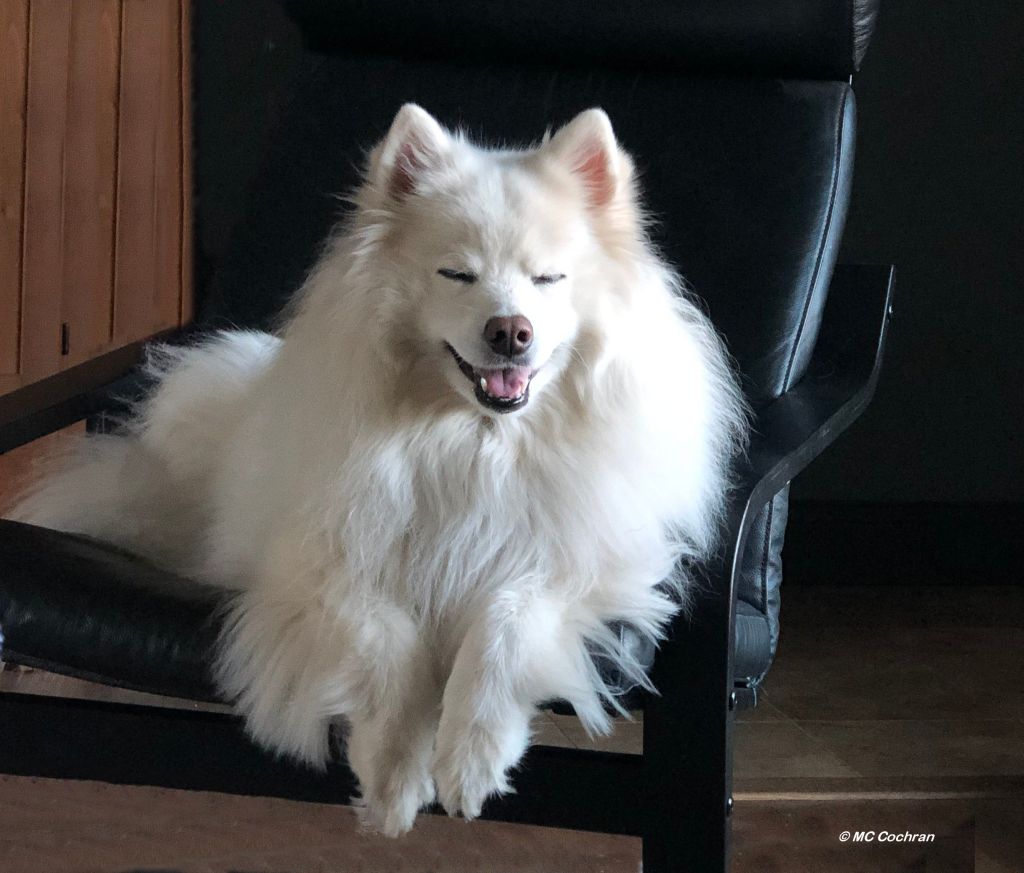
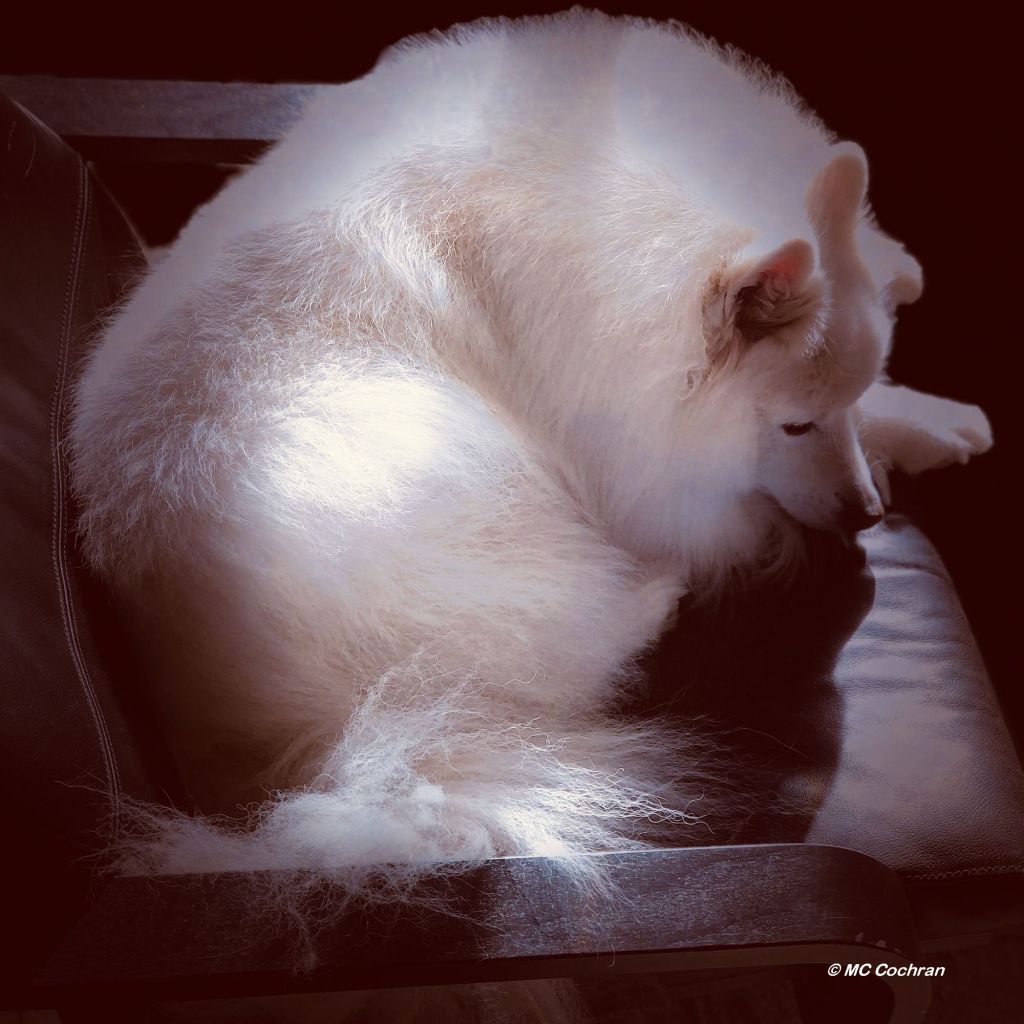
Now the autumn rains are here and my garden projects are on hold. It’s a good time to write. But I need to replace the splintered door frame in the garage. I need to dust the wall-to-wall bookshelves. I need to brush the tangles out of my dog’s wet fur.
I know it will come soon; that irresistible pull toward pen and paper; that need to harvest the thoughts that have been ripening over the summer. My computer dings with an email alert: a writing prompt from dVerse. I fire up the word processor and my mind wanders, far away from doors and dust and wet dog smells.
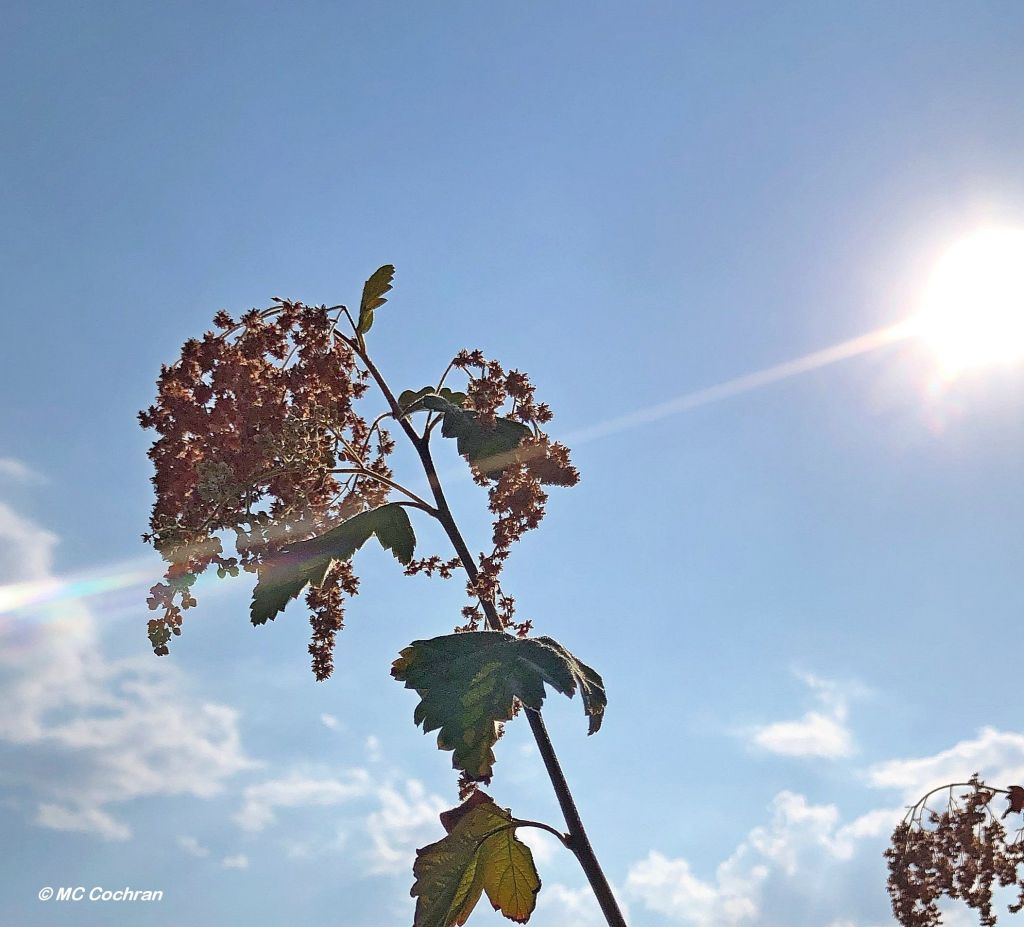
With July’s record-breaking high temperatures here, it’s been frustrating and – truth be told – rather depressing to watch flowers in my native plant garden wilt before reaching full bloom and then turn end-of-summer brown without setting seeds.
What happens, I wonder, if annuals can’t reseed themselves? What happens if birds and other critters have no seeds to tide them through the coming winter? What happens when spring pollinators show up and find but a few flowers to feed upon?
I do what I can for my small domain. I water the roots of my plants; can’t do much for the sunburned leaves. This fall I will plant more natives. In the winter I will feed the birds. Next spring, I will build a fountain of some sort to provide reliable water for thirsty creatures passing through my yard.
Sometimes my efforts feel quite satisfying, like I’m giving back to the planet. Lately, it just feels like someone trying to extinguish a forest fire with spit.
The first day of summer dawns hot and dry; not like it used to here in the moderate Pacific Northwest of my youth. The air outside is stifling, so I stay indoors listening to the hum of the fan and worrying about the young plants in my nature garden. The shrubs and berries and grasses – all native to this area – are not supposed to need supplemental watering because they are acclimated to thrive in their natural environment.
But this climate, altered to unnatural heat and drought, is not what Mother Nature signed on for when she gave us the delicate mosses and ferns, the soft evergreen needles, the supple, shiny leaves of shrubs like snowbrush and Oregon grape.
This evening a breeze will pick up and give at least the illusion of coolness to the air. I will visit the garden to make sure the ladybugs, bees and butterflies have water in the little pool I made for them. And I will utter an apology on behalf of my species for the damages this planet has endured. The rain, when it comes, will be happily welcomed.




 What Rhymes with Stanza?