With July’s record-breaking high temperatures here, it’s been frustrating and – truth be told – rather depressing to watch flowers in my native plant garden wilt before reaching full bloom and then turn end-of-summer brown without setting seeds.
What happens, I wonder, if annuals can’t reseed themselves? What happens if birds and other critters have no seeds to tide them through the coming winter? What happens when spring pollinators show up and find but a few flowers to feed upon?
I do what I can for my small domain. I water the roots of my plants; can’t do much for the sunburned leaves. This fall I will plant more natives. In the winter I will feed the birds. Next spring, I will build a fountain of some sort to provide reliable water for thirsty creatures passing through my yard.
Sometimes my efforts feel quite satisfying, like I’m giving back to the planet. Lately, it just feels like someone trying to extinguish a forest fire with spit.
The first day of summer dawns hot and dry; not like it used to here in the moderate Pacific Northwest of my youth. The air outside is stifling, so I stay indoors listening to the hum of the fan and worrying about the young plants in my nature garden. The shrubs and berries and grasses – all native to this area – are not supposed to need supplemental watering because they are acclimated to thrive in their natural environment.
But this climate, altered to unnatural heat and drought, is not what Mother Nature signed on for when she gave us the delicate mosses and ferns, the soft evergreen needles, the supple, shiny leaves of shrubs like snowbrush and Oregon grape.
This evening a breeze will pick up and give at least the illusion of coolness to the air. I will visit the garden to make sure the ladybugs, bees and butterflies have water in the little pool I made for them. And I will utter an apology on behalf of my species for the damages this planet has endured. The rain, when it comes, will be happily welcomed.
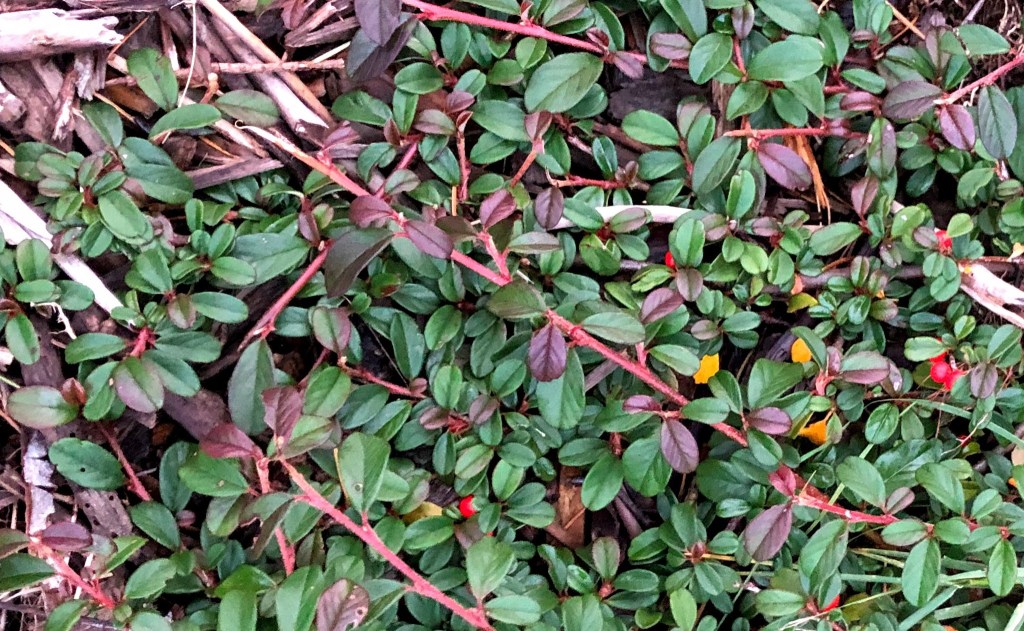
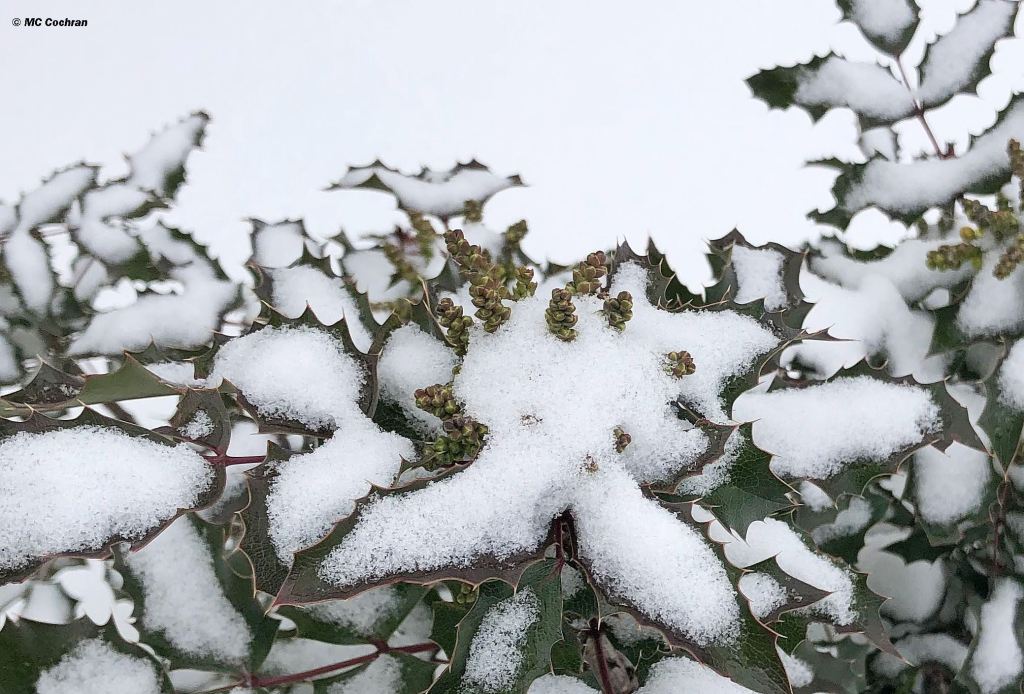
As my native habitat garden takes shape, I’ve been drawn to it almost daily. In the wet fall I checked for problematic standing water at the base of the young crabapple tree and marveled at the resilience of rain-battered kinnikinnick. In winter I fretted over snow-covered Oregon grape and ice-encased flowering currant.
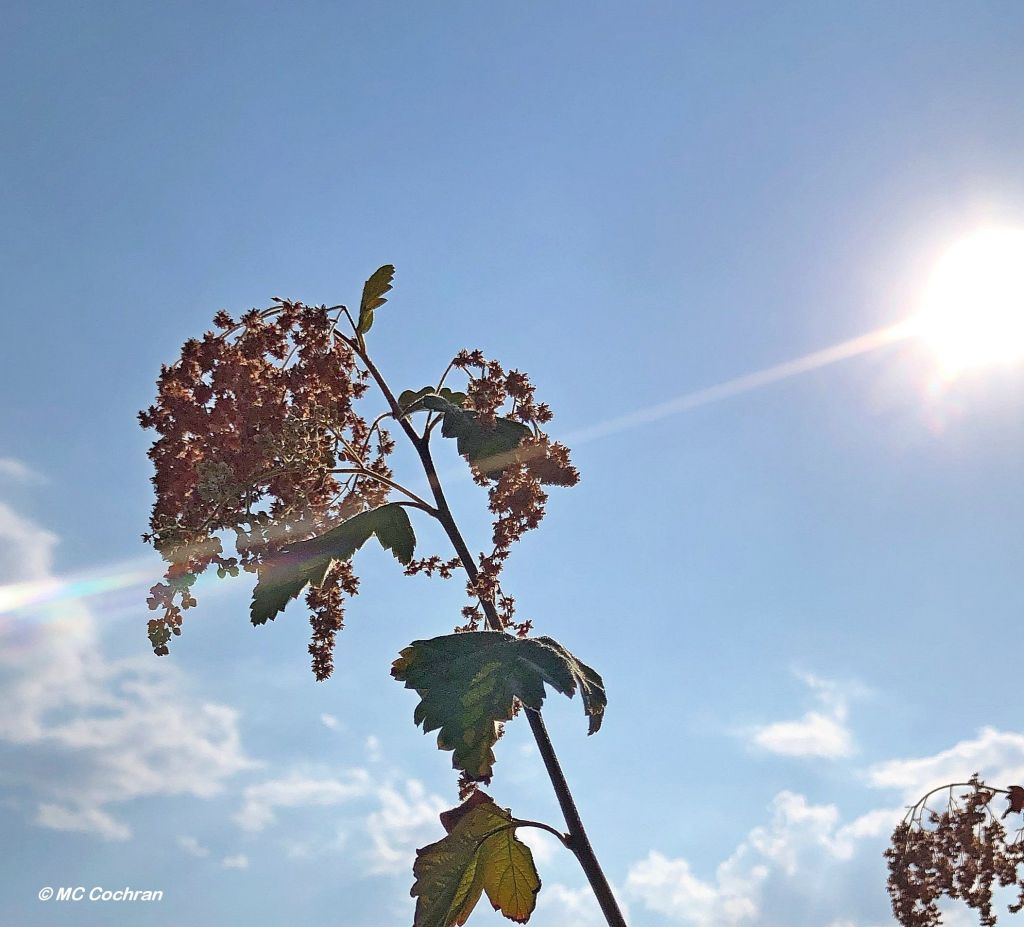
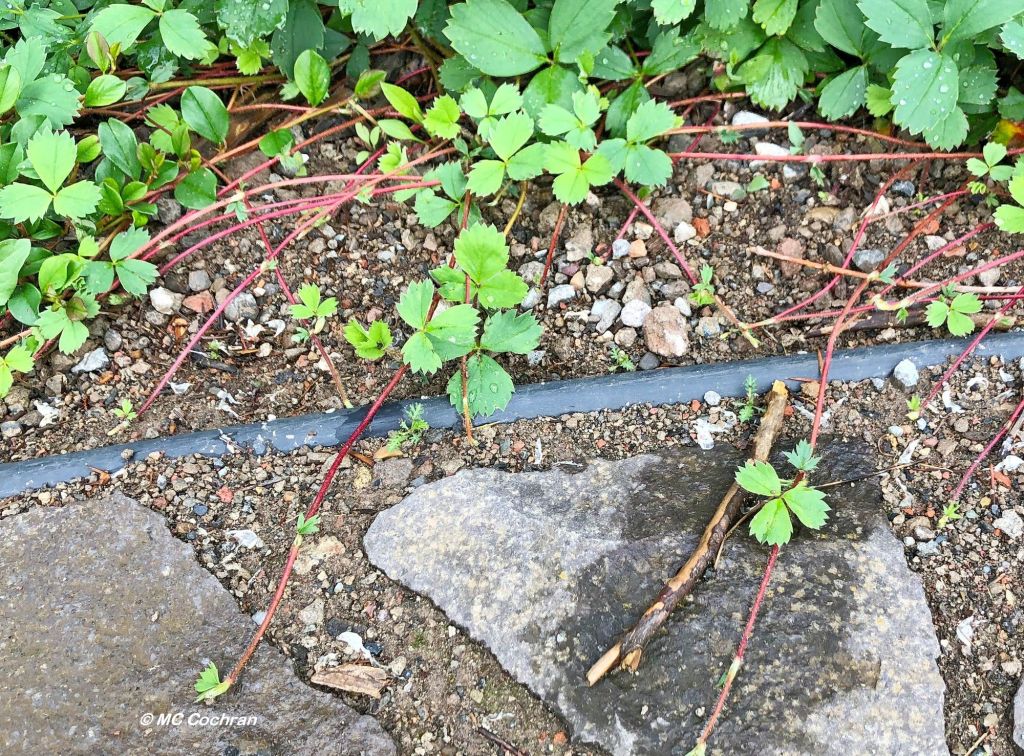
As spring unfolded, I searched bare twigs for the slightest hint of green, watched tiny sprigs rise from the ground and swell into verdant foliage; and now – finally – flowers are maturing, bugs are pollinating and wild strawberries are sending out runners to claim yet more ground.
I always considered autumn to be my favorite season with its crisp rain-filtered air, crunchy carpets of fallen leaves and trees dressed in flame-inspired palettes. Now, I believe my favorite season is whichever currently holds sway over my everchanging garden.
[to the Tune of the Tennessee
Waltz (two-three) (one-two and-a)]When I was Seventeen
High school band Agony
Playing the French horn, you
See (two-three), (one-two) while the
Rest of the Instruments
Soared with the Melody
I got the Slow after-
Beats (two-three) (one-two).
Chorus:I re-
Member the Days in the
Stuffy band Room as the
Teacher's baTon counted
Three (two-three) (one-two) I would
Wait for that Moment when my
French horn would Shine as I
Sweetly played Two after-
Beats (two-three) (one-two) instru-Mental interLude here. Find your
Horn, play aLong dear, and
Soon you will See what I
Mean (two-three) (one-two). If you're
Lost in the Melody
Listen for Me and I’ll
Carry you Through to the
End (two-three) (one-two).
Oh the
Waltz would start Playing with the
Saxophones Braying, the
Oboe would Try to com-
Pete (two-three) (one-two). Clari-
Netists’ reeds Squeaked as the
Flautist's breath Peaked, and the
Trombones’ spit Rattled and
Leaked (two-three) (one-two).
Chorus:I re-
Member the Days in the
Stuffy band Room as the
Teacher's baTon counted
Three (two-three) (one-two) I wouldWait for that Moment when my
French horn would Shine as I
Sweetly played Two after-
Beats (two-three) (one).
A palinode or palinody is an ode or song that retracts or recants a view or sentiment to what the poet wrote in a previous poem...

The writing challenge is to write a palinode. This can be in relation to a poem you have written before (please link or include prior poem)...
My prior poem, which I posted on April 13 of this year is Spring Reveal:
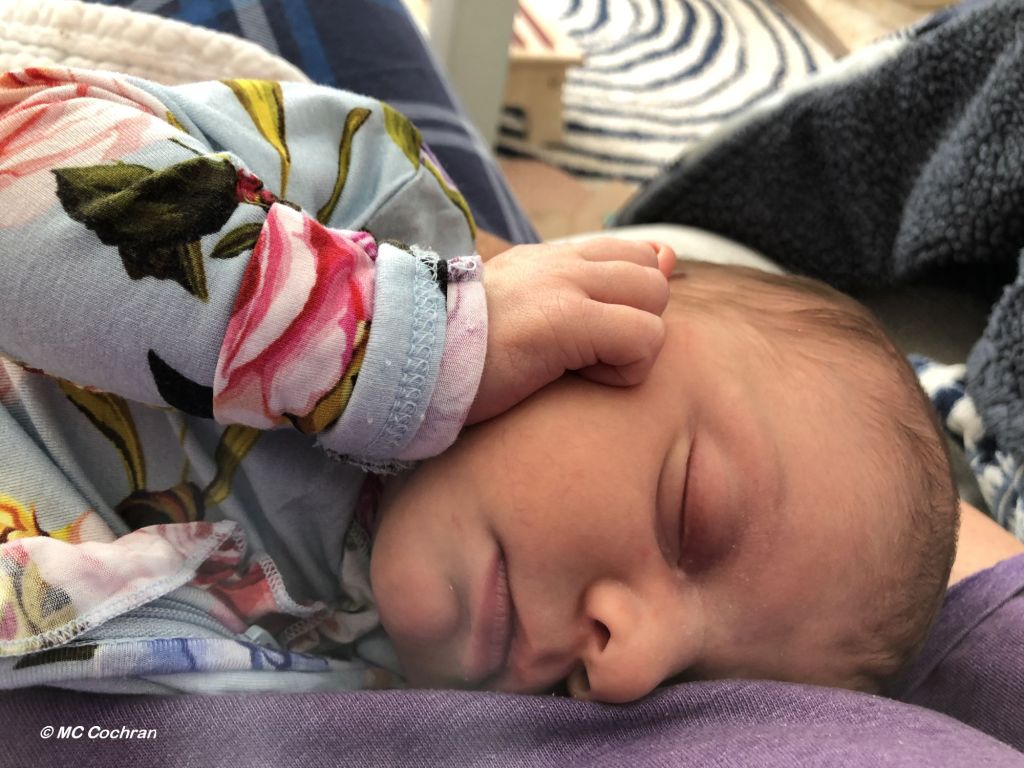
You slip into the crook of my arm as I recline on the sofa, your diapered bottom cradled like a football. I can feel your body beneath my hand rise and fall with your breathing. You – most likely – can hear my heartbeat as your head rests peacefully on my chest. I could, I think, sit like this forever.




 What Rhymes with Stanza?